Generating images, video and voice on a Mac against the best AI APIs (October 2026)
We gave the same prompts to the image, video and speech models at the top of the leaderboards and to the best open
models we could run on a 64 GB MacBook Pro. Every picture, clip and voice memo is on this page, with what it cost
and how long it took, so you can judge them yourself.
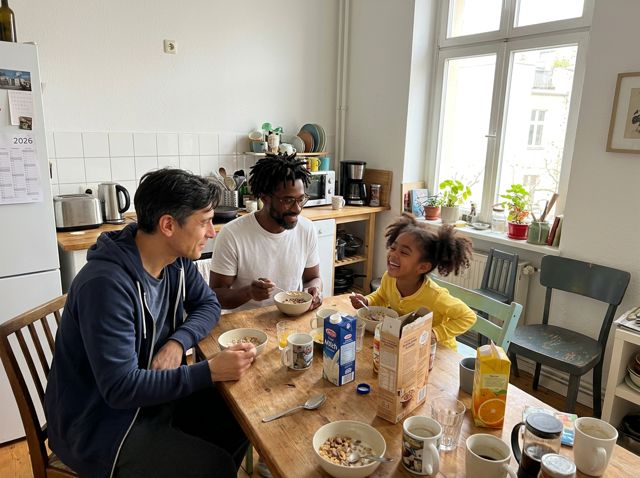
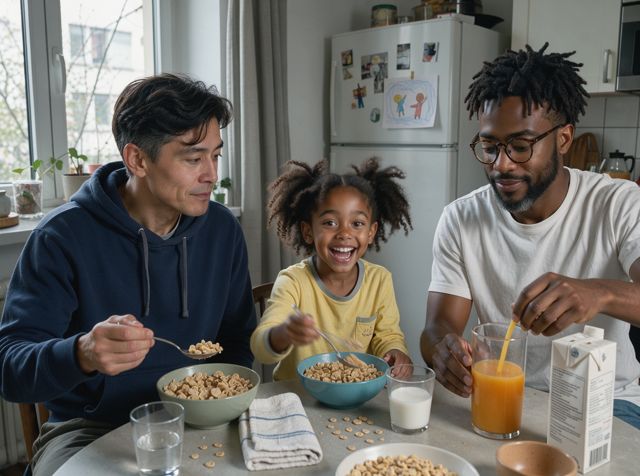
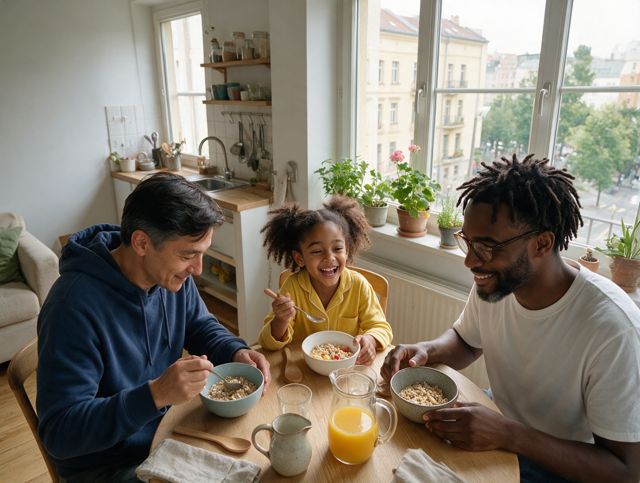
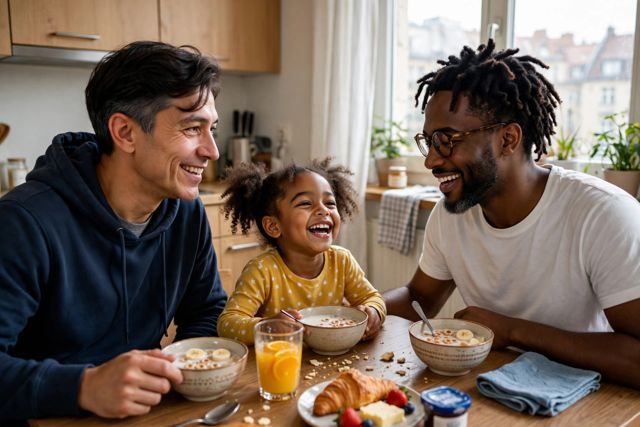
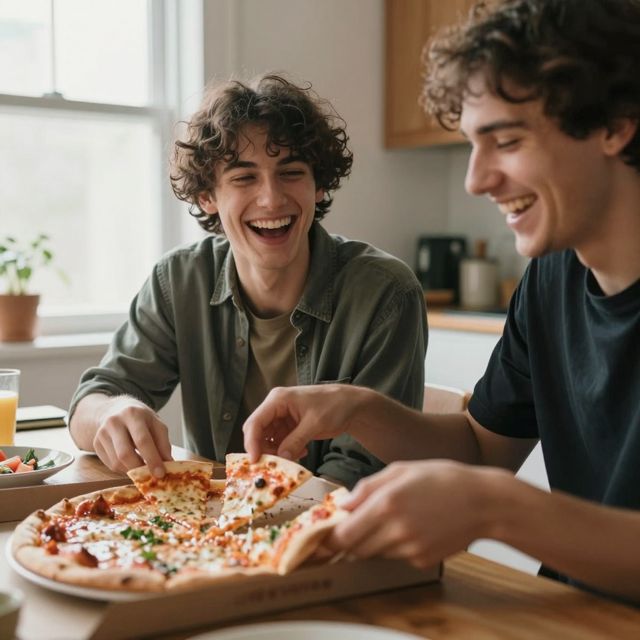
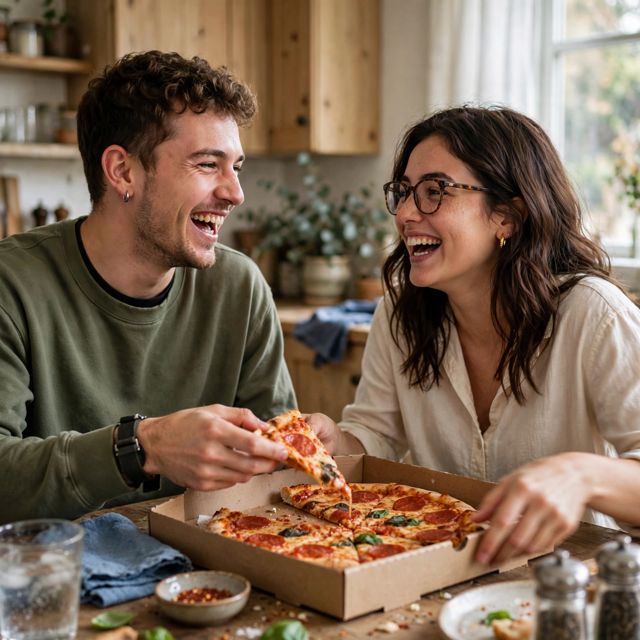
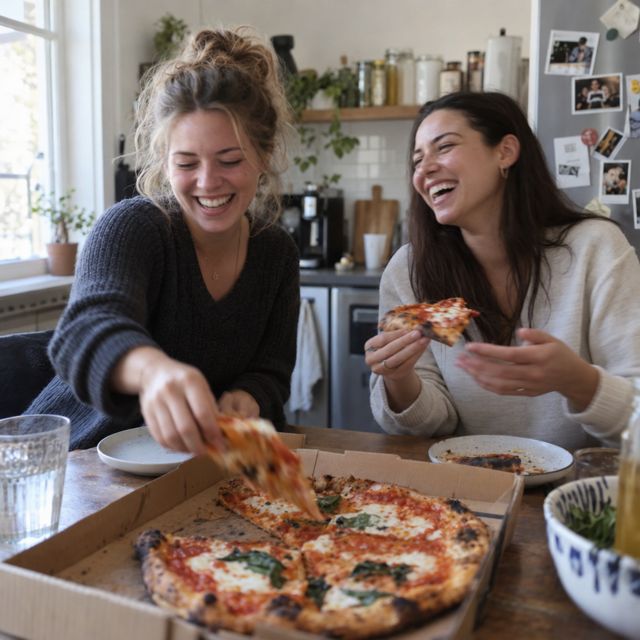
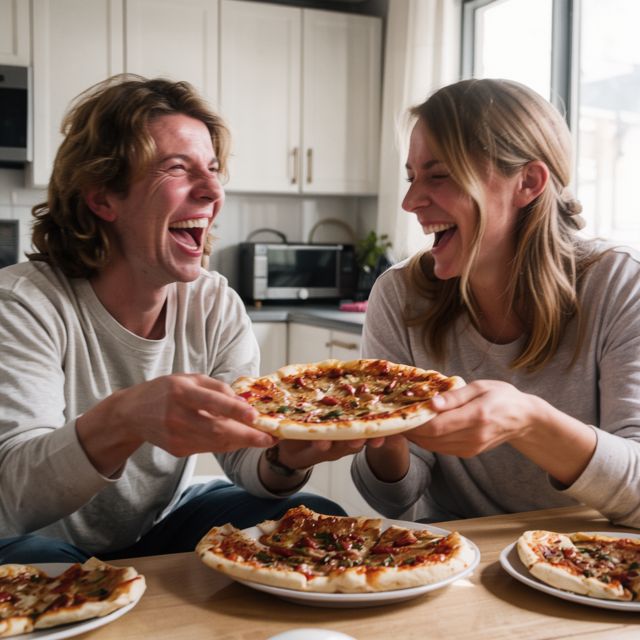
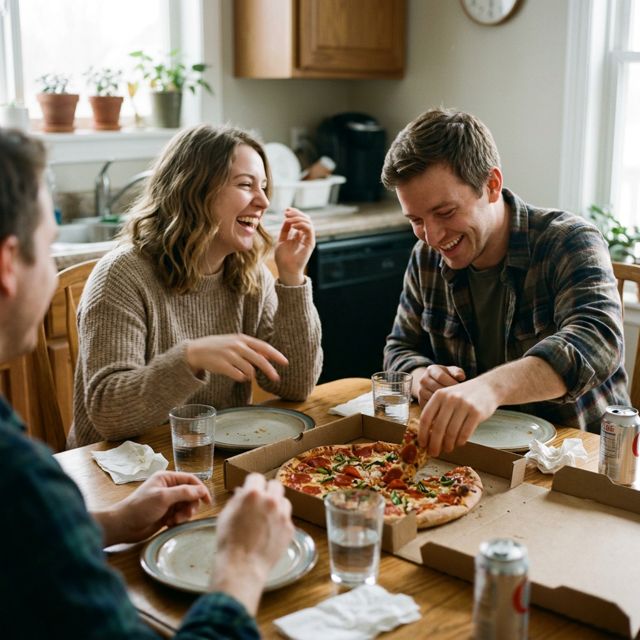
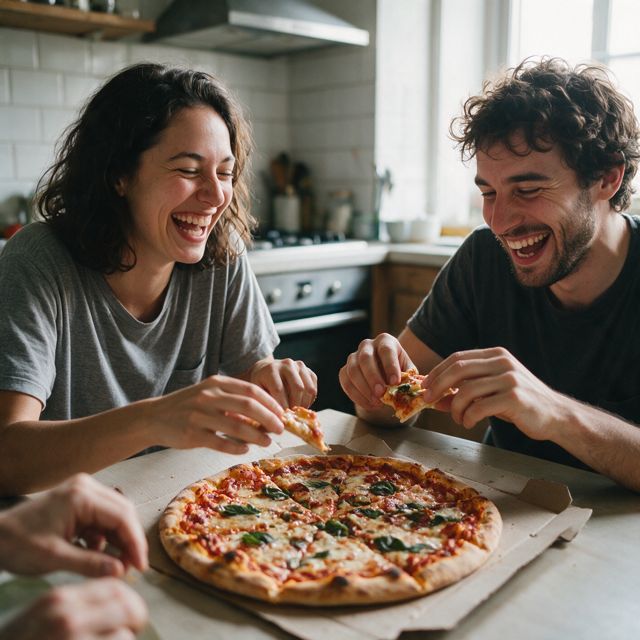
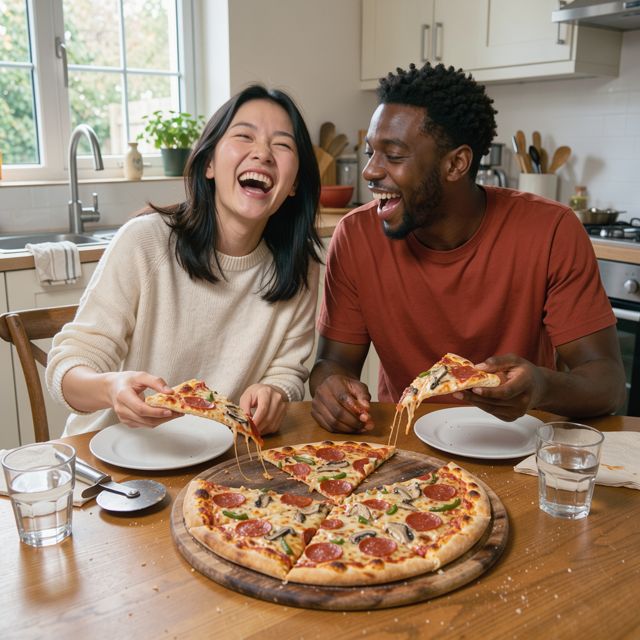
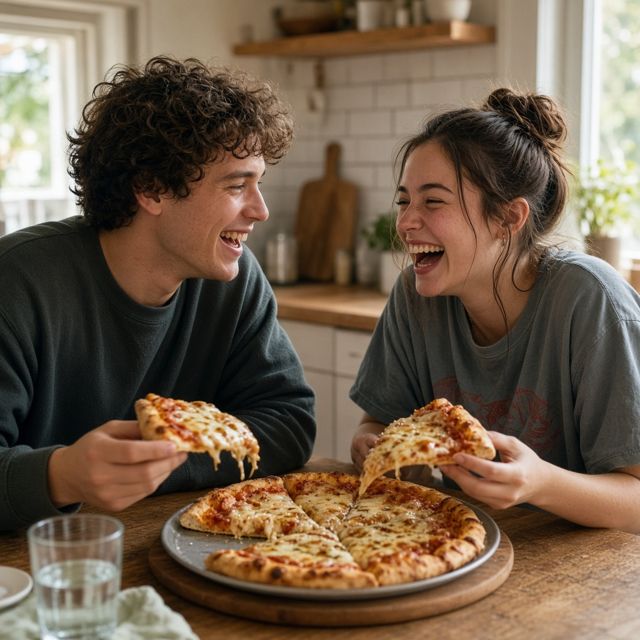
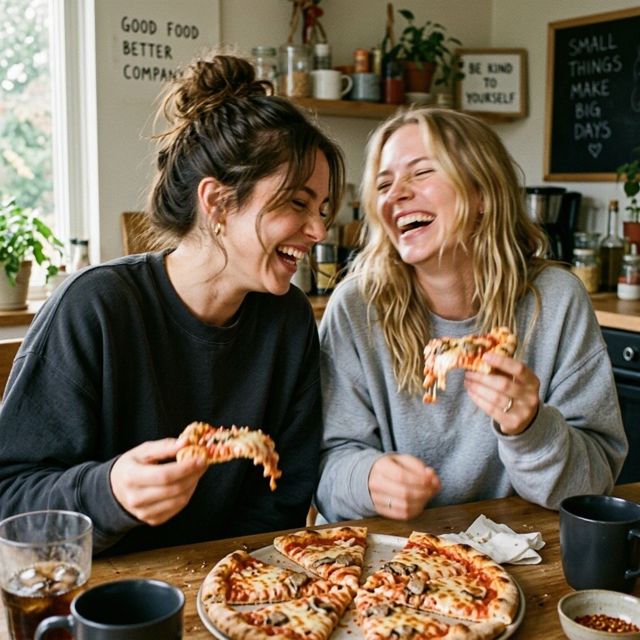
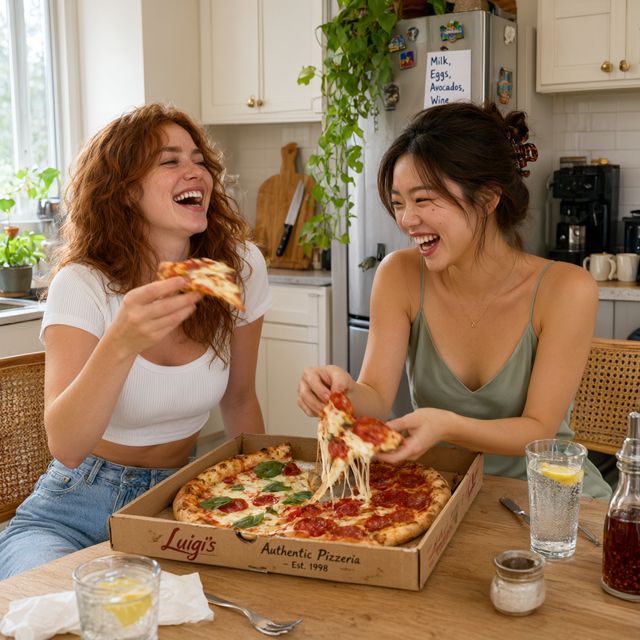
All eight pictures were made from the same sentence. Two came from an M1 Max MacBook Pro running open models, and six
from hosted APIs that cost between one and fifty cents a picture. Have a guess before you press the button.
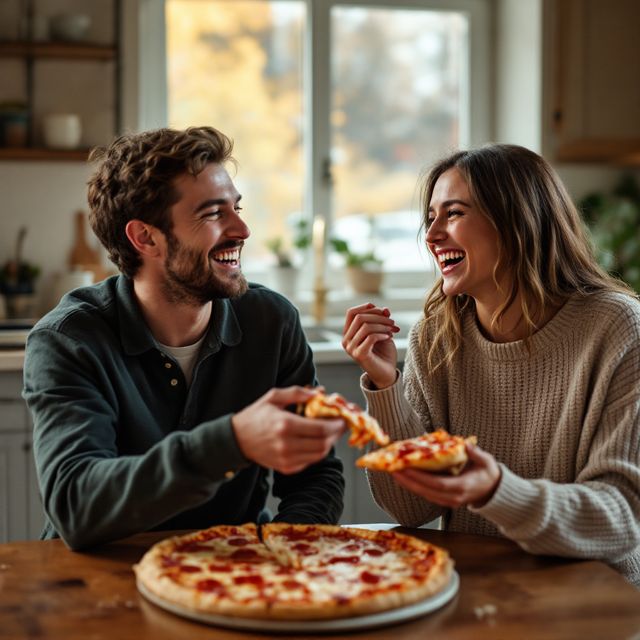
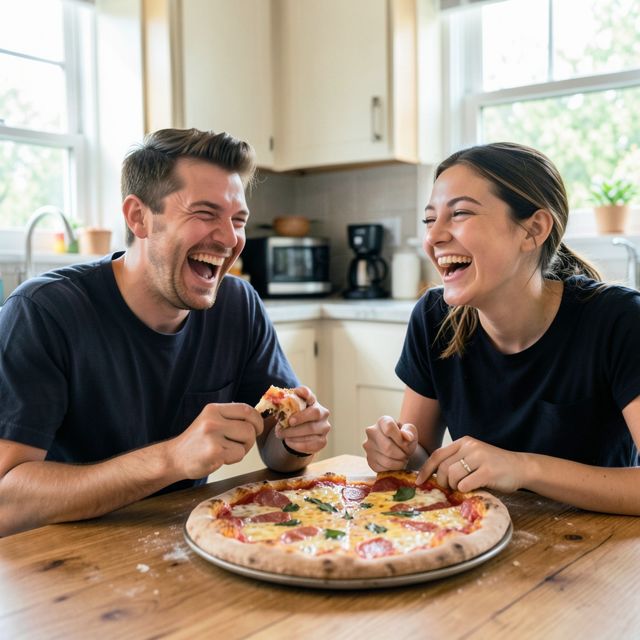
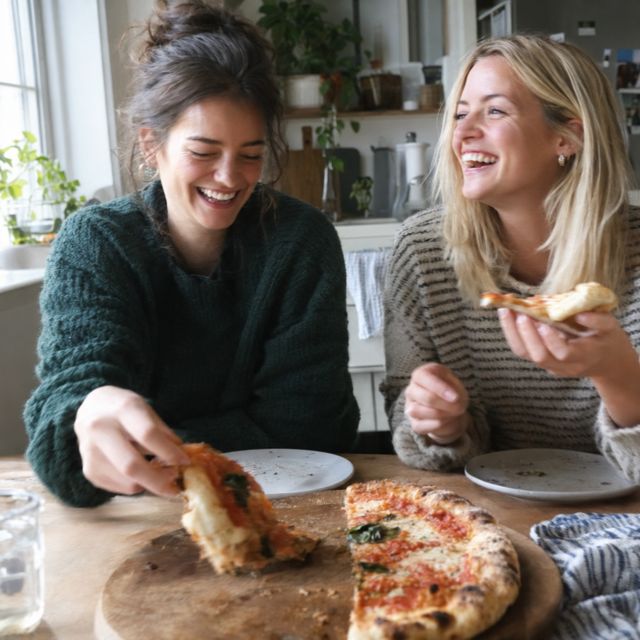
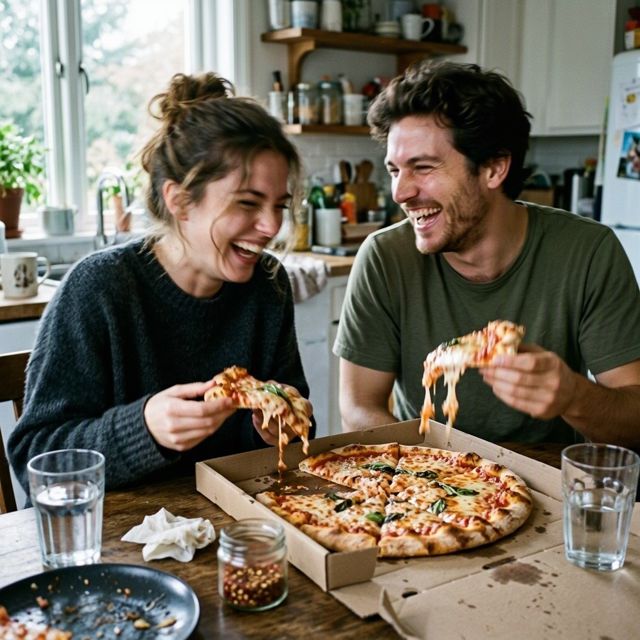
“Two friends laughing while sharing a pizza at a kitchen table, candid photo, natural window light, hands visible, slight motion blur”
Alocal
Z-Image Turbomade on the M1 Max in 1 min 38 s, $0.0003 of power
Bhosted
Muse Image (Meta)$0.01 an image
Chosted
GPT Image 2.5 Sunburst (max)$0.50 an image
Dlocal
FLUX 3 Image Kleinmade on the M1 Max in 1 min 45 s, $0.0004 of power
Ehosted
Nano Banana 2.1$0.034 an image
Fhosted
Seedream 5 Pro$0.045 an image
Ghosted
FLUX 3 Image$0.024 an image
Hhosted
FLUX 1.1 pro$0.04 an image
For everyday pictures like this one, the difference between a laptop and the best hosted models has become hard to
see. The rest of this post is about where it still shows, and what each side costs.
Six prompts, fourteen image models
We wrote six prompts to test different things: a close-up portrait, an interior, a chalkboard with hand-lettered
text, two people at a kitchen table, a real place (Helsinki harbour in winter) and a flat illustration. Three models
ran on the M1 Max and eleven through Replicate and OpenRouter. Click any picture to see it full size, use the
buttons to show only one side, or switch to By model to see all six pictures from one model at a glance.
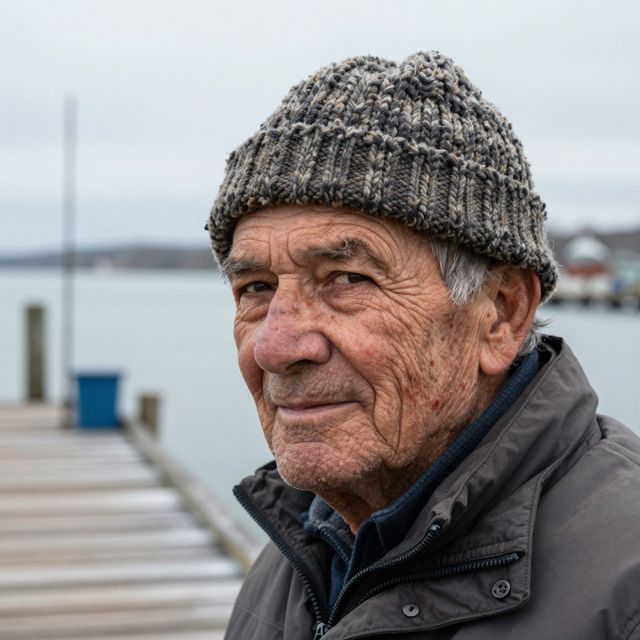
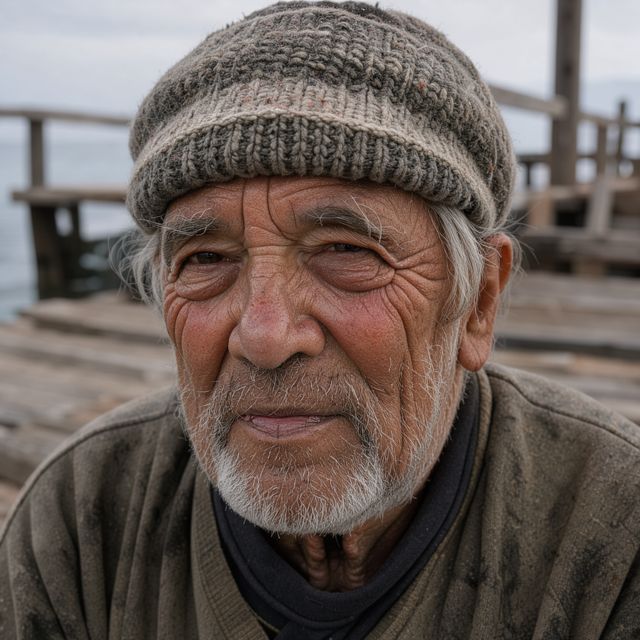
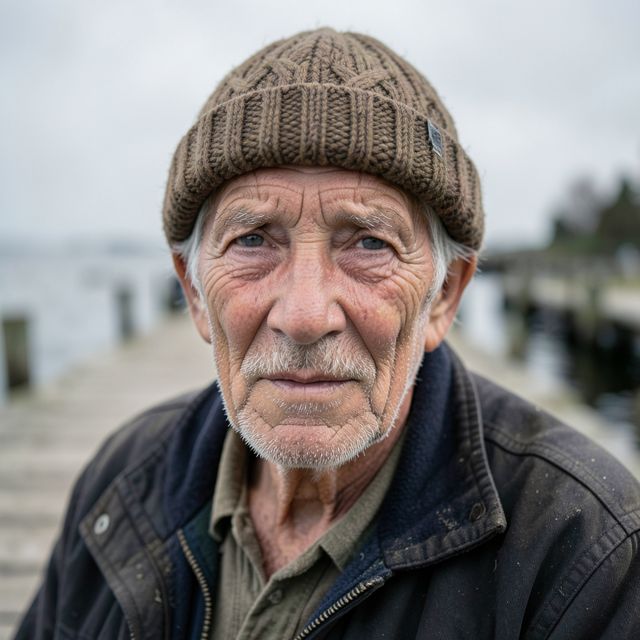
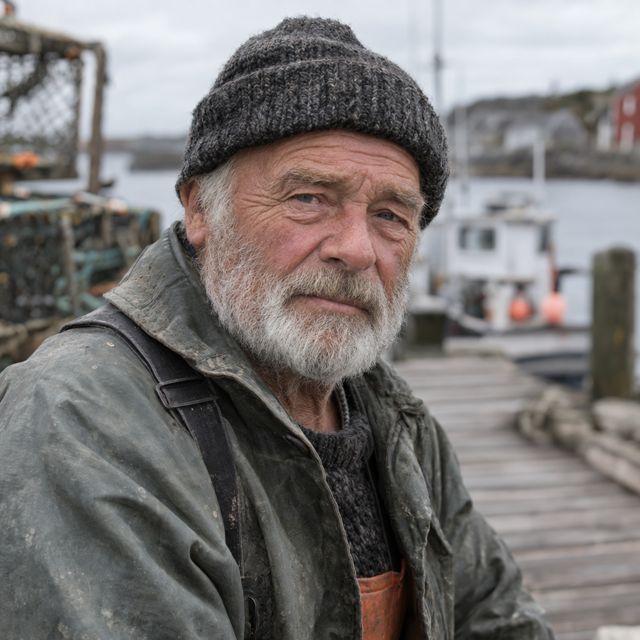
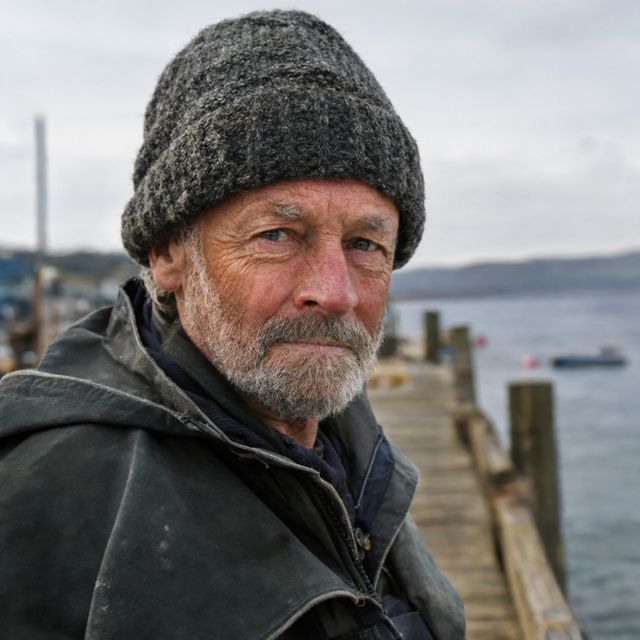
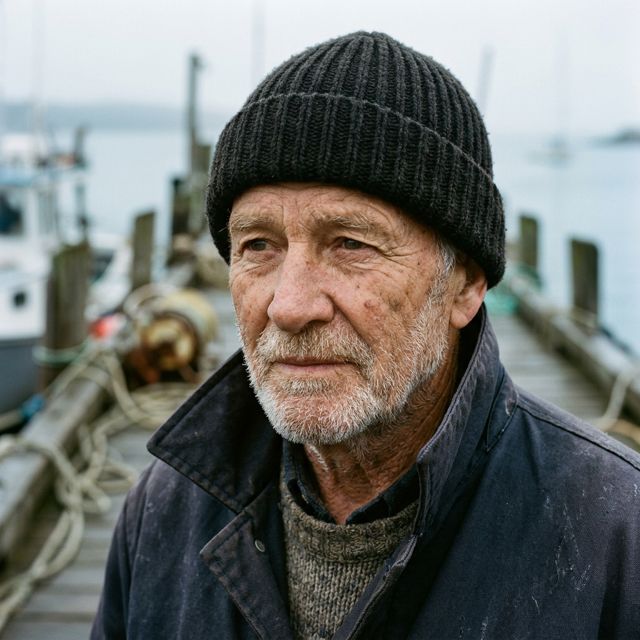
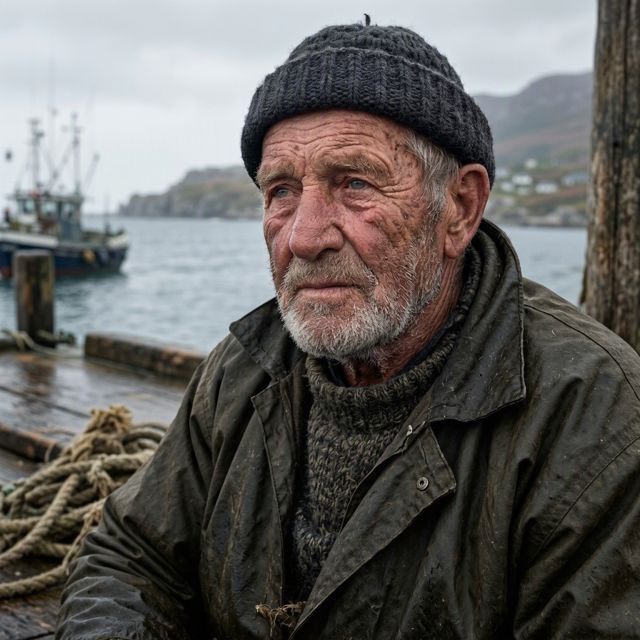
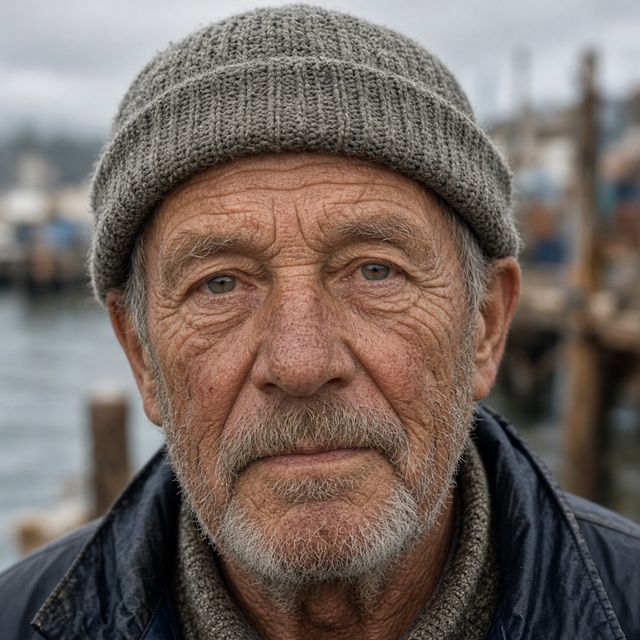
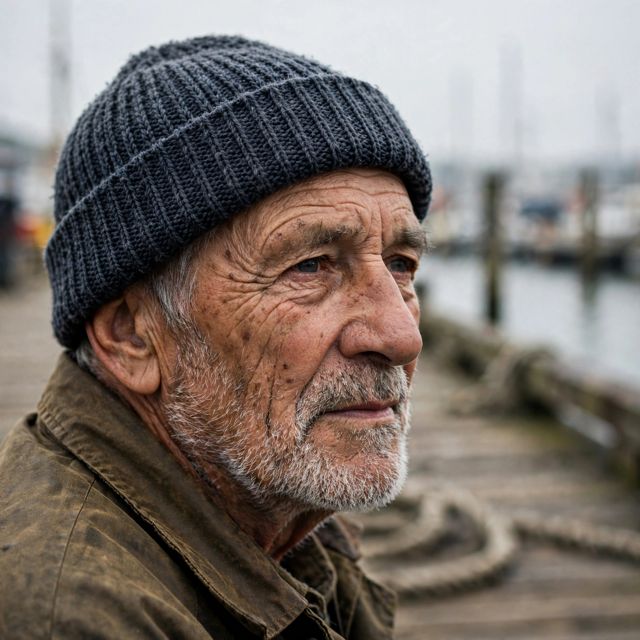
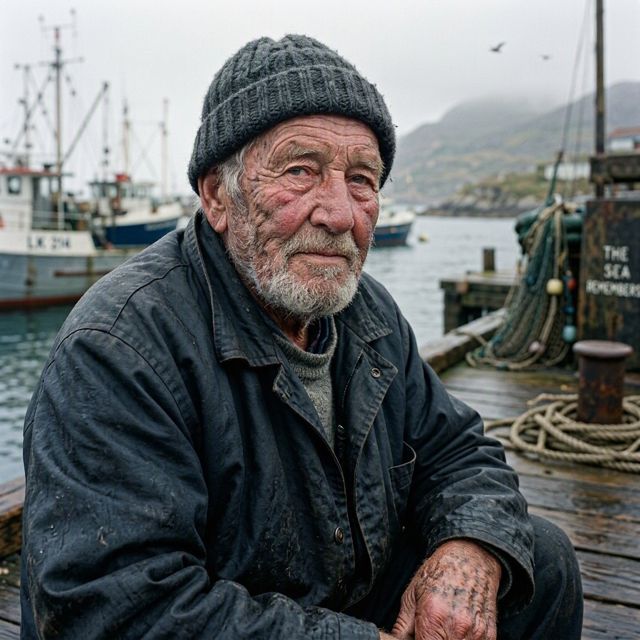
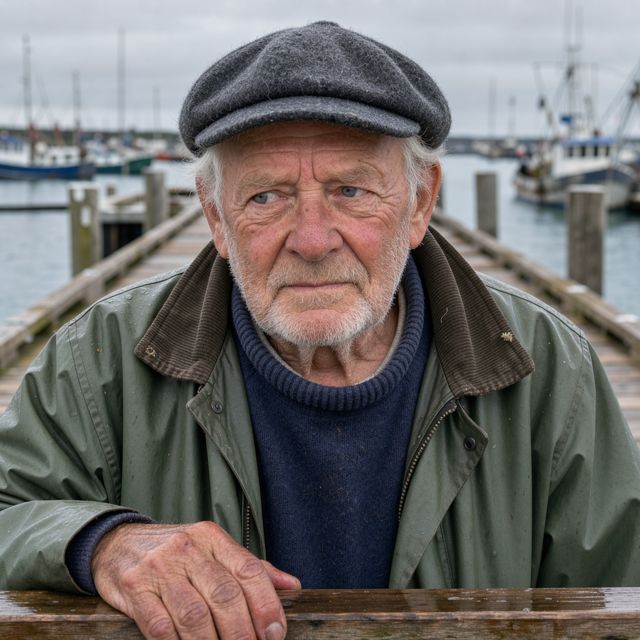
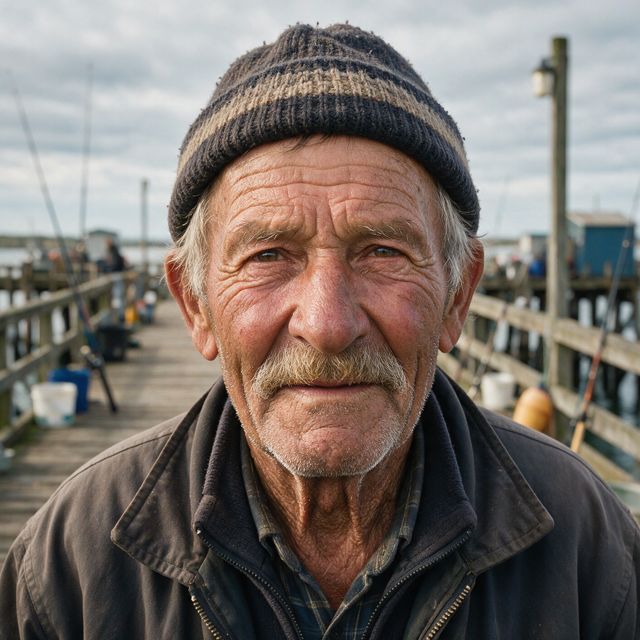
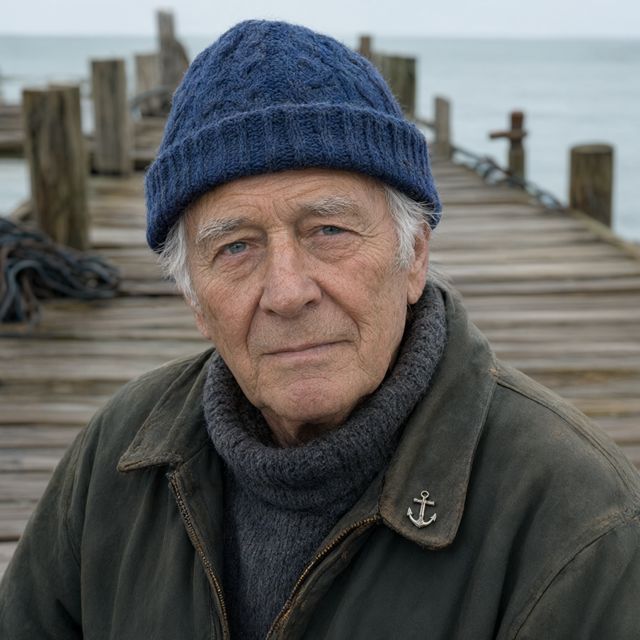
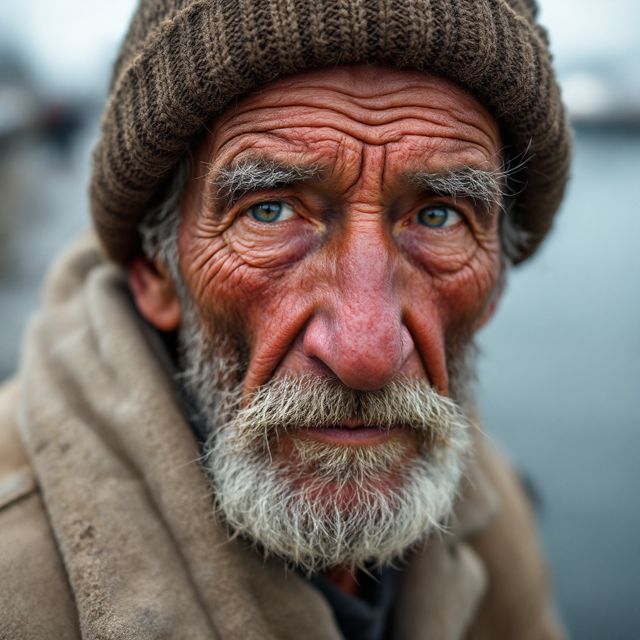
“Close-up portrait of an elderly fisherman on a wooden pier, weathered skin, knitted wool cap, overcast soft light, shot on an 85mm lens, shallow depth of field, natural colours”
local
Z-Image TurboM1 Max · 1 min 48 s · $0.0004 of power · Elo 936
local
FLUX 3 Image KleinM1 Max · 1 min 46 s · $0.0004 of power · Elo 1043
local
FLUX.2 klein 4BM1 Max · 26 s · $9e-05 of power · Elo 837
hosted
GPT Image 2.5 Sunburst (max)2 min 48 s · $0.50 · Elo 1222
hosted
GPT Image 2.5 Flare (max)63 s · $0.50 · Elo 1207
hosted
Nano Banana 2.116 s · $0.034 · Elo 1176
hosted
MAI-Image-2.627 s · ~$0.04 · Elo 1166
hosted
Grok Imagine Image 254 s · $0.04 · Elo 1166
hosted
Muse Image (Meta)26 s · $0.01 · Elo 1127
hosted
MAI-Image-2.6-Flash12 s · ~$0.02 · Elo 1119
hosted
FLUX 3 Image20 s · $0.024 · Elo 1117
hosted
Seedream 5 Pro41 s · $0.045 · Elo 1100
hosted
Qwen-Image 3 Pro57 s · $0.04 · Elo 1095
hosted
FLUX 1.1 pro3 s · $0.04 · Elo 870
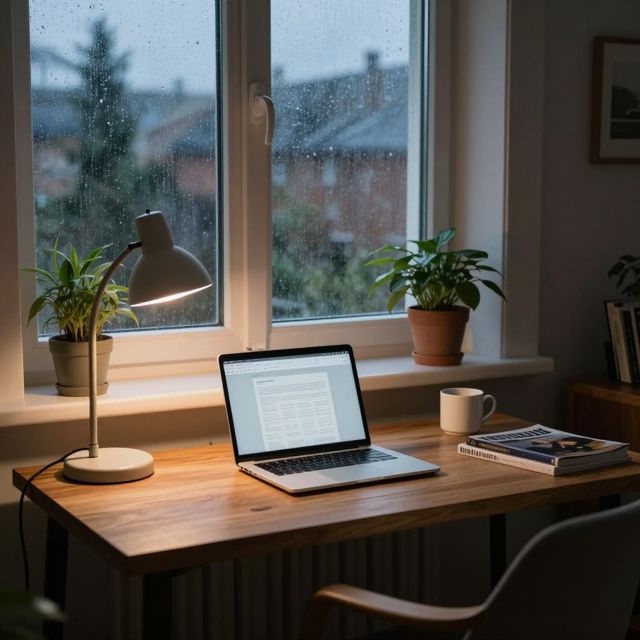
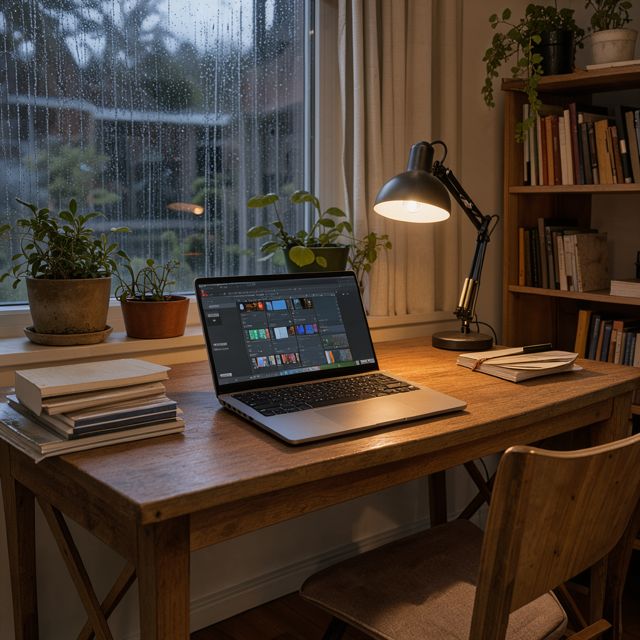
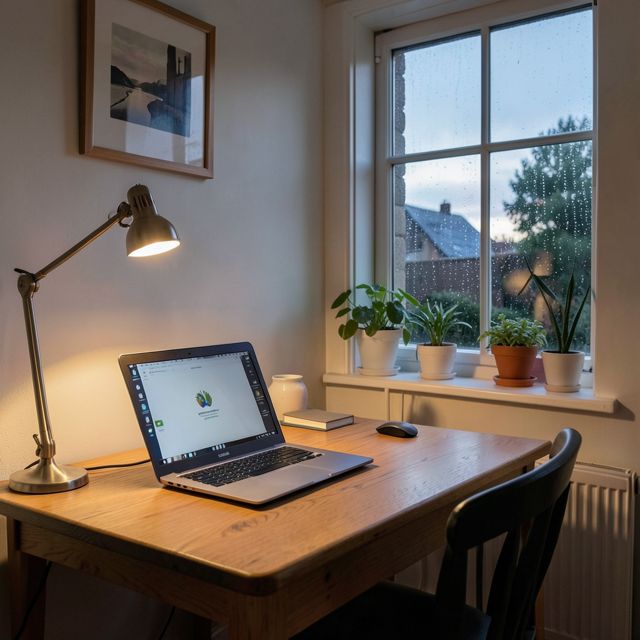
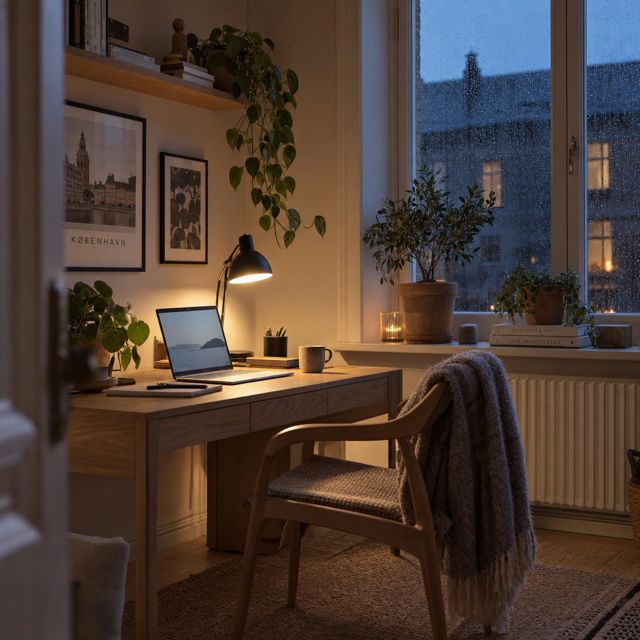
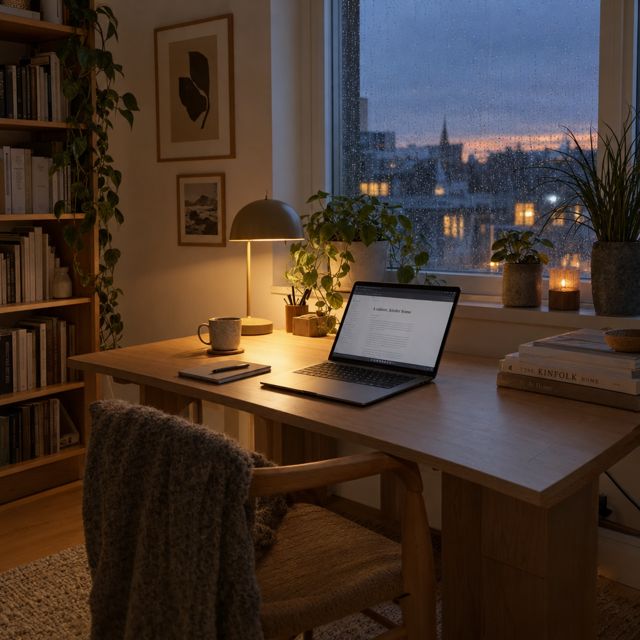
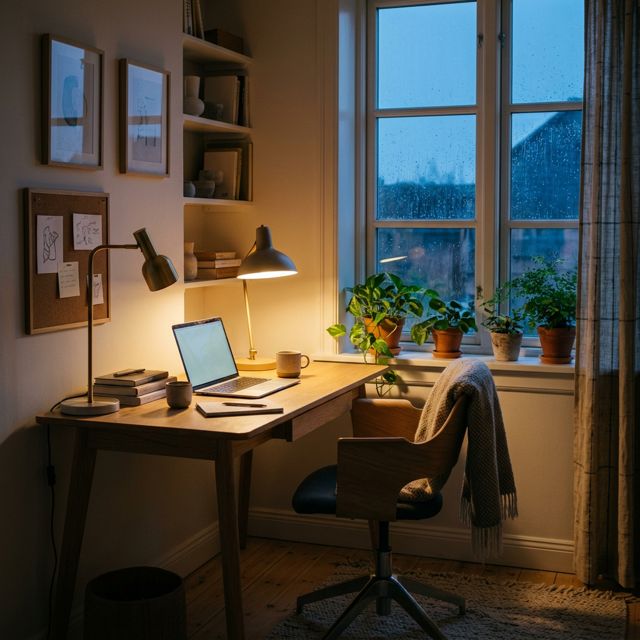
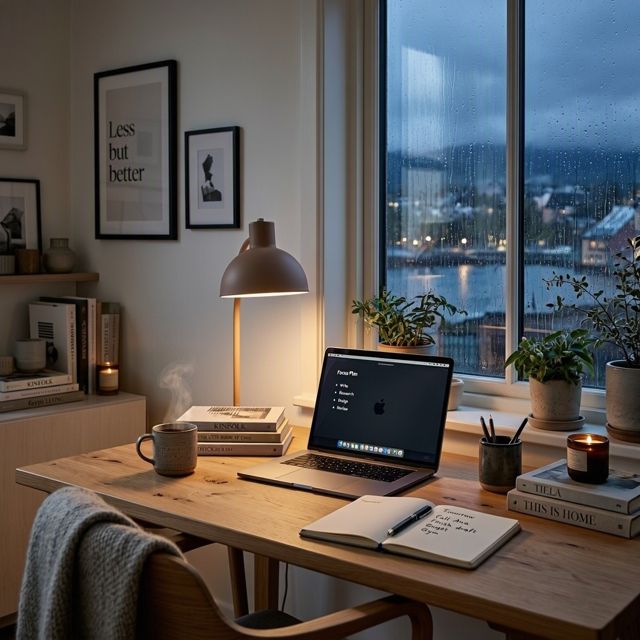
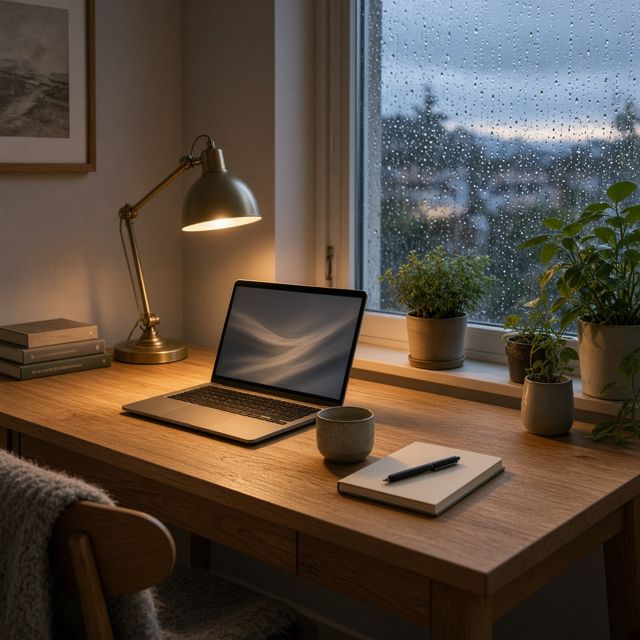
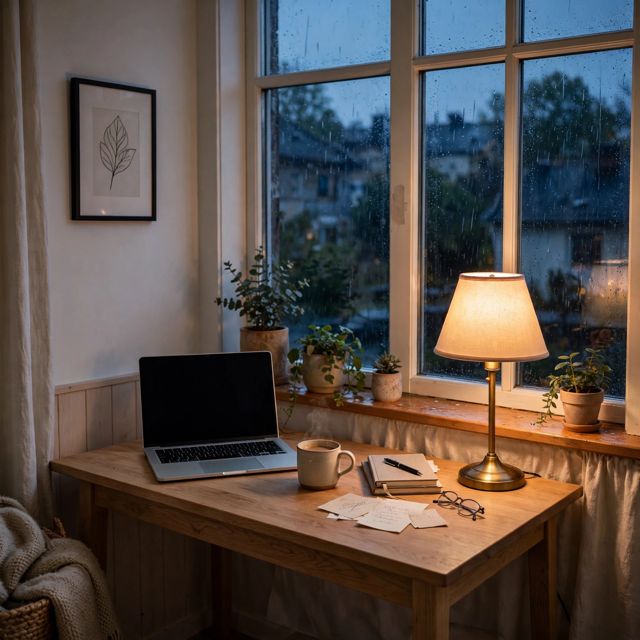
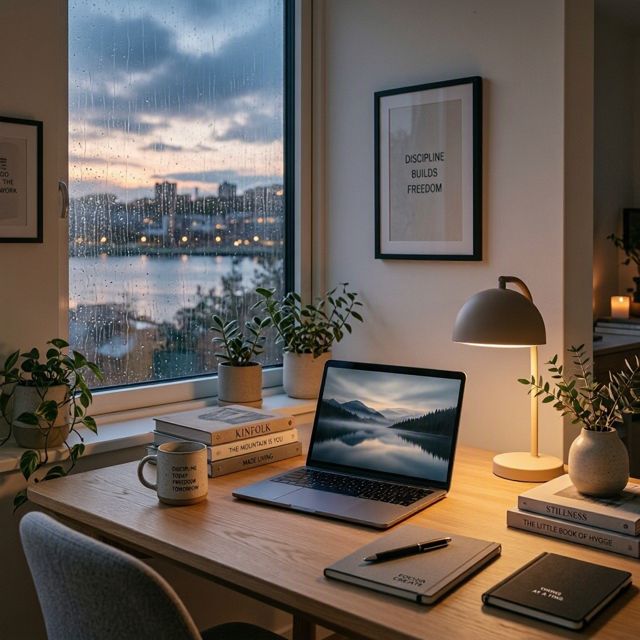
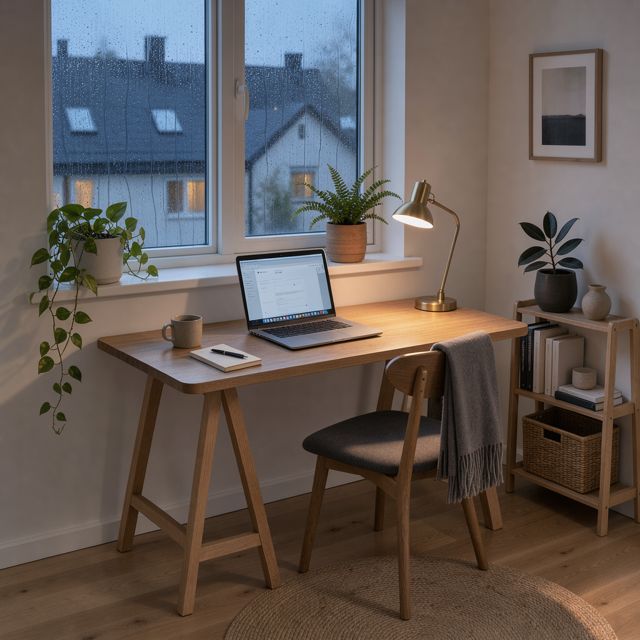
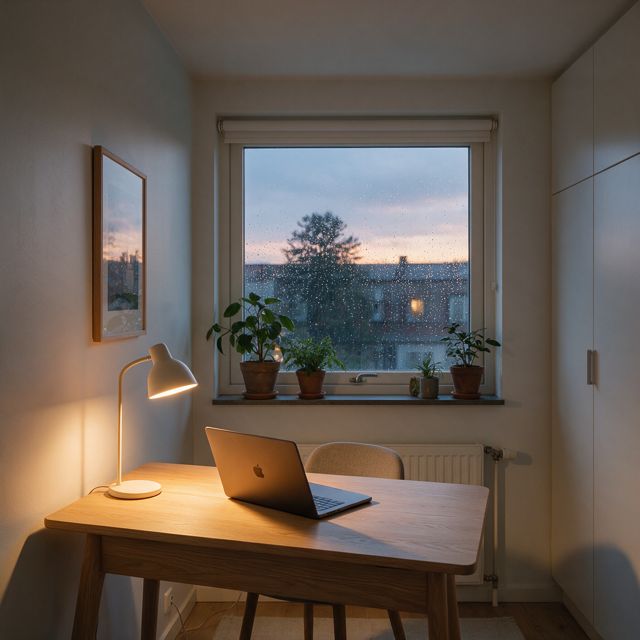
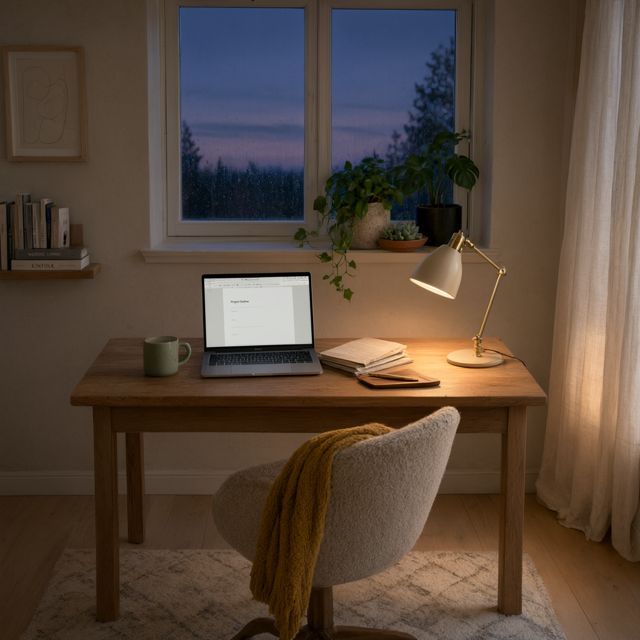
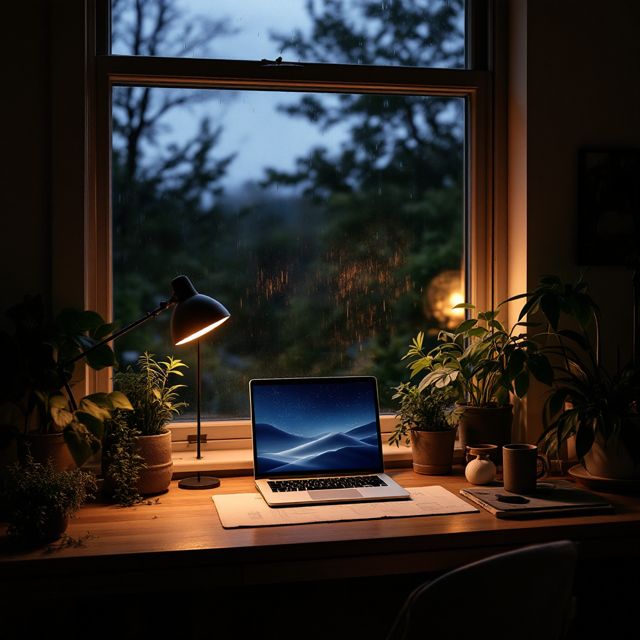
“A small Scandinavian home office at dusk, a laptop on an oak desk, a warm desk lamp, rain on the window, plants on the sill, photographed for an interior magazine”
local
Z-Image TurboM1 Max · 1 min 44 s · $0.0003 of power · Elo 936
local
FLUX 3 Image KleinM1 Max · 1 min 46 s · $0.0004 of power · Elo 1043
local
FLUX.2 klein 4BM1 Max · 27 s · $9e-05 of power · Elo 837
hosted
GPT Image 2.5 Sunburst (max)2 min 14 s · $0.50 · Elo 1222
hosted
GPT Image 2.5 Flare (max)60 s · $0.50 · Elo 1207
hosted
Nano Banana 2.118 s · $0.034 · Elo 1176
hosted
MAI-Image-2.626 s · ~$0.04 · Elo 1166
hosted
Grok Imagine Image 271 s · $0.04 · Elo 1166
hosted
Muse Image (Meta)11 s · $0.01 · Elo 1127
hosted
MAI-Image-2.6-Flash11 s · ~$0.02 · Elo 1119
hosted
FLUX 3 Image20 s · $0.024 · Elo 1117
hosted
Seedream 5 Pro57 s · $0.045 · Elo 1100
hosted
Qwen-Image 3 Pro70 s · $0.04 · Elo 1095
hosted
FLUX 1.1 pro3 s · $0.04 · Elo 870
“A cafe chalkboard sign leaning against a brick wall, hand-lettered in white chalk, it reads: Close the books, not the laptop”
local
Z-Image TurboM1 Max · 1 min 39 s · $0.0003 of power · Elo 936
local
FLUX 3 Image KleinM1 Max · 1 min 45 s · $0.0004 of power · Elo 1043
local
FLUX.2 klein 4BM1 Max · 26 s · $9e-05 of power · Elo 837
hosted
GPT Image 2.5 Sunburst (max)2 min 32 s · $0.50 · Elo 1222
hosted
GPT Image 2.5 Flare (max)59 s · $0.50 · Elo 1207
hosted
Nano Banana 2.117 s · $0.034 · Elo 1176
hosted
MAI-Image-2.623 s · ~$0.04 · Elo 1166
hosted
Grok Imagine Image 258 s · $0.04 · Elo 1166
hosted
Muse Image (Meta)9 s · $0.01 · Elo 1127
hosted
MAI-Image-2.6-Flash12 s · ~$0.02 · Elo 1119
hosted
FLUX 3 Image20 s · $0.024 · Elo 1117
hosted
Seedream 5 Pro44 s · $0.045 · Elo 1100
hosted
Qwen-Image 3 Pro64 s · $0.04 · Elo 1095
hosted
FLUX 1.1 pro5 s · $0.04 · Elo 870
“Two friends laughing while sharing a pizza at a kitchen table, candid photo, natural window light, hands visible, slight motion blur”
local
Z-Image TurboM1 Max · 1 min 38 s · $0.0003 of power · Elo 936
local
FLUX 3 Image KleinM1 Max · 1 min 45 s · $0.0004 of power · Elo 1043
local
FLUX.2 klein 4BM1 Max · 25 s · $8e-05 of power · Elo 837
hosted
GPT Image 2.5 Sunburst (max)2 min 42 s · $0.50 · Elo 1222
hosted
GPT Image 2.5 Flare (max)69 s · $0.50 · Elo 1207
hosted
Nano Banana 2.120 s · $0.034 · Elo 1176
hosted
MAI-Image-2.627 s · ~$0.04 · Elo 1166
hosted
Grok Imagine Image 269 s · $0.04 · Elo 1166
hosted
Muse Image (Meta)10 s · $0.01 · Elo 1127
hosted
MAI-Image-2.6-Flash10 s · ~$0.02 · Elo 1119
hosted
FLUX 3 Image27 s · $0.024 · Elo 1117
hosted
Seedream 5 Pro35 s · $0.045 · Elo 1100
hosted
Qwen-Image 3 Pro67 s · $0.04 · Elo 1095
hosted
FLUX 1.1 pro4 s · $0.04 · Elo 870
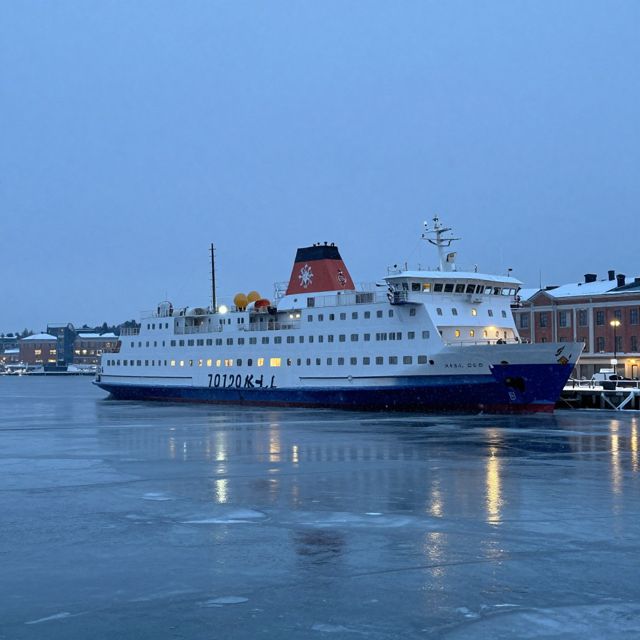
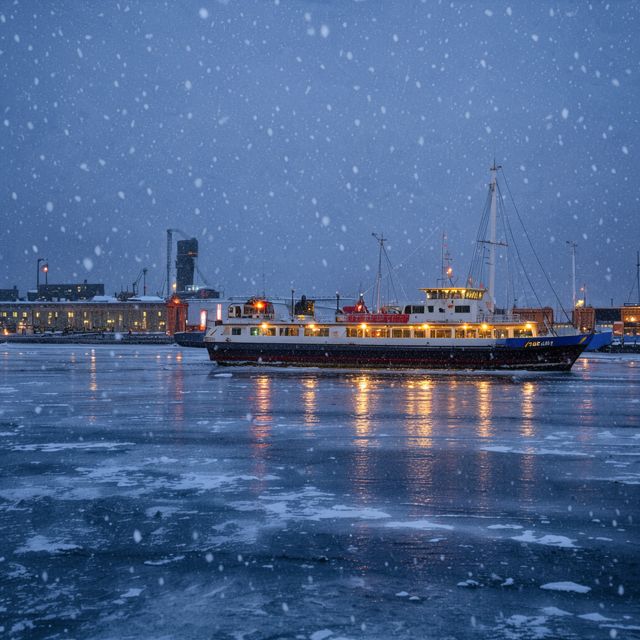
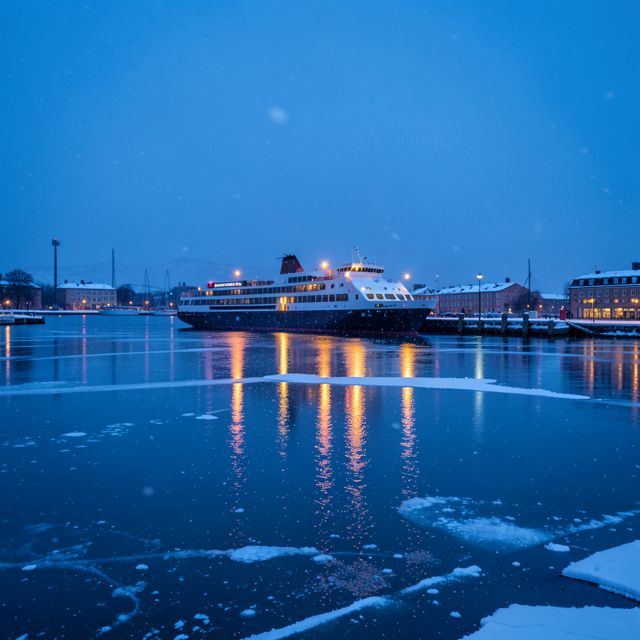
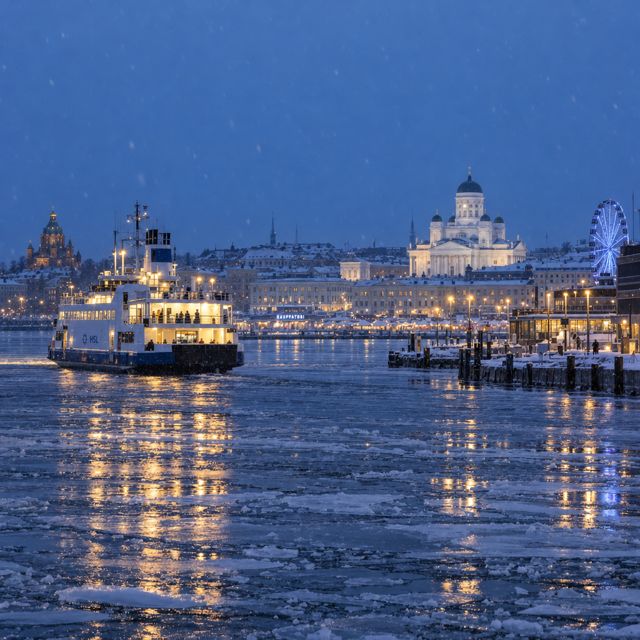
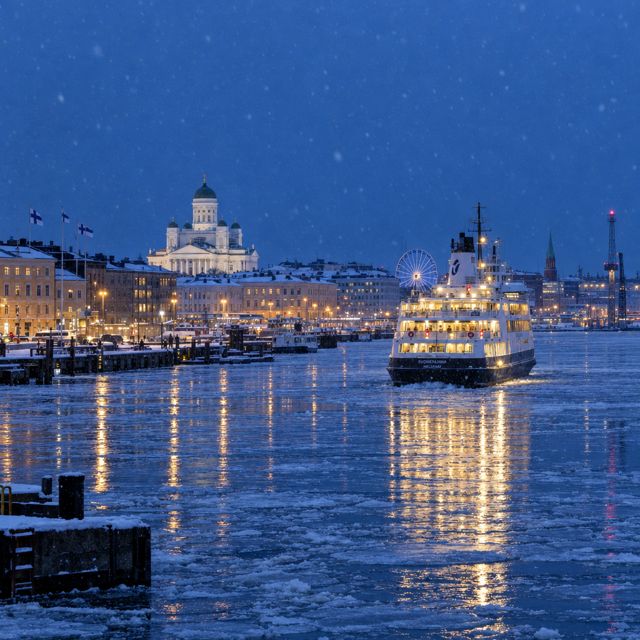
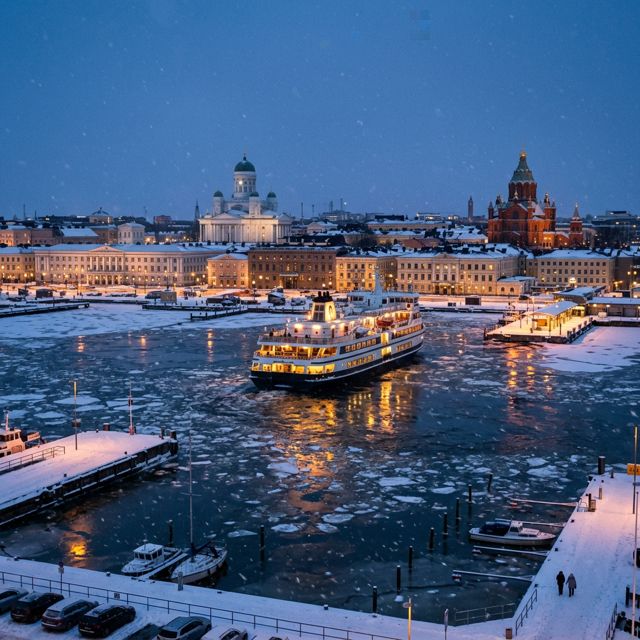
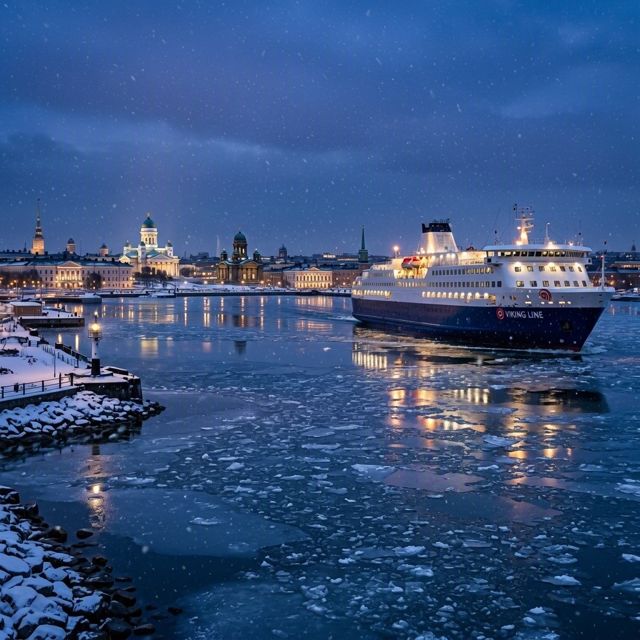
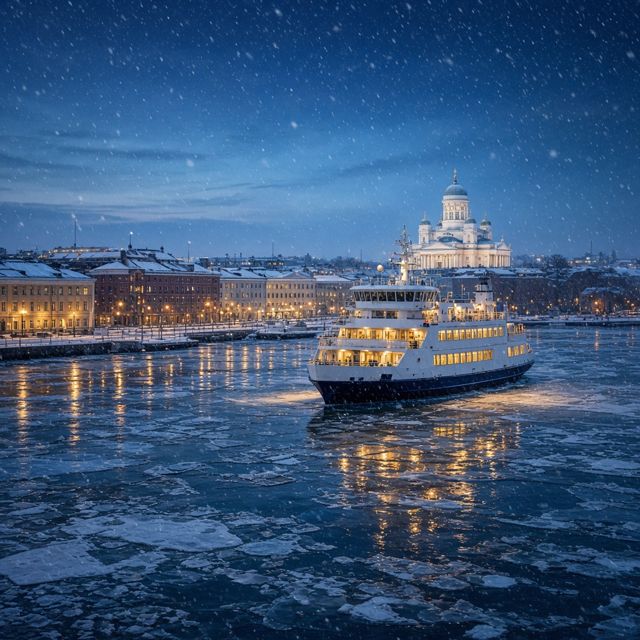
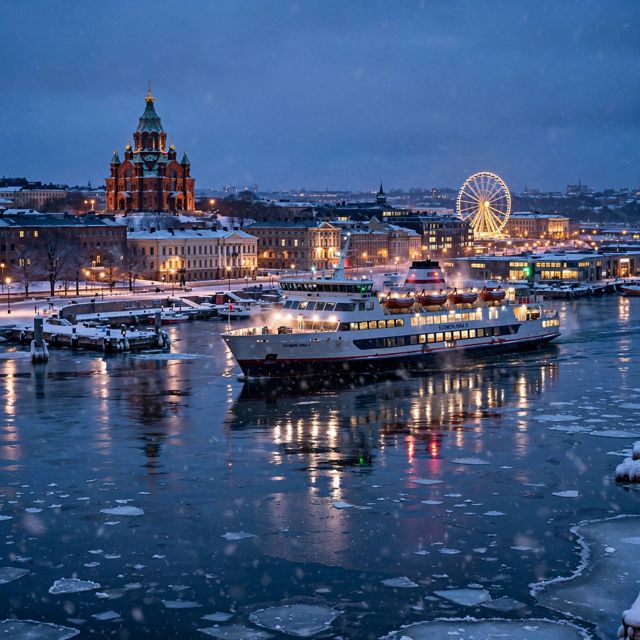
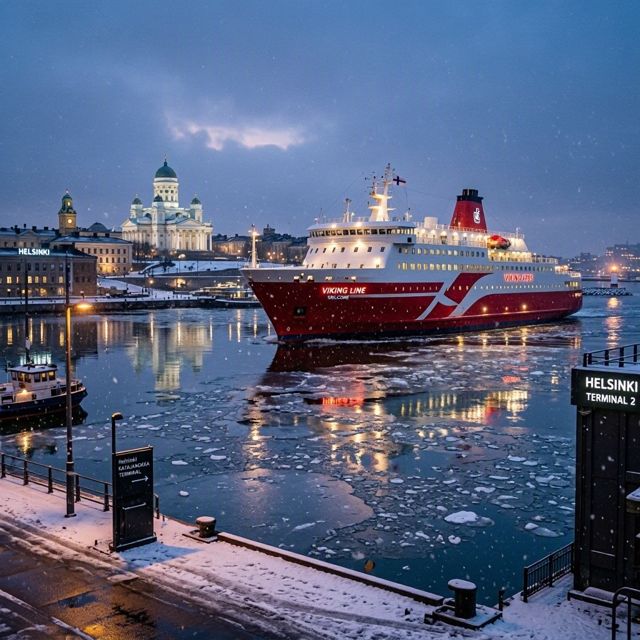
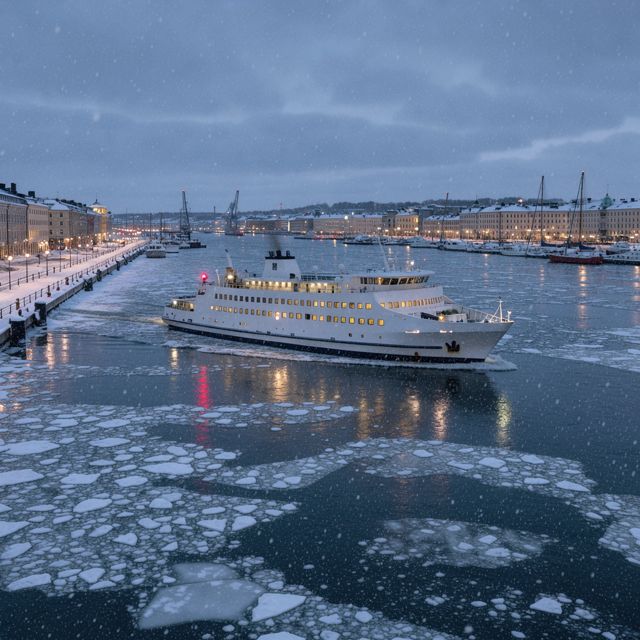
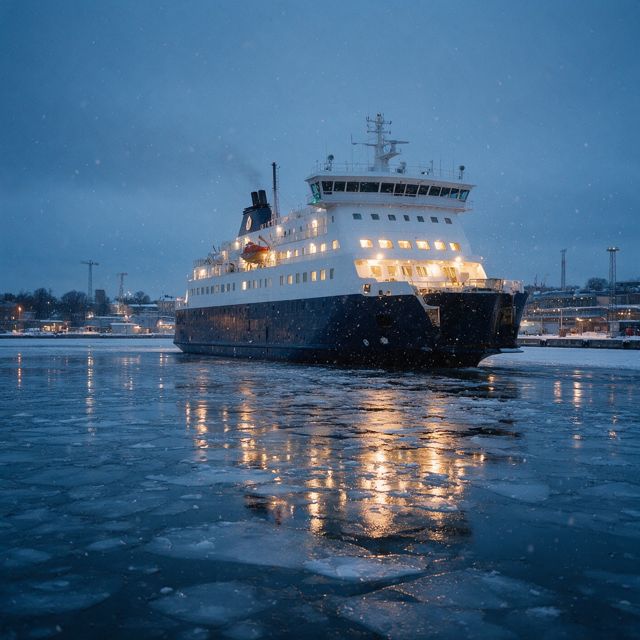
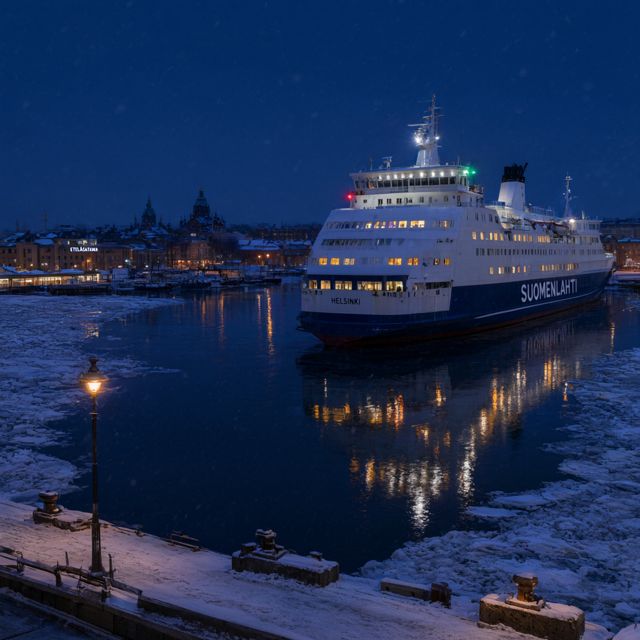
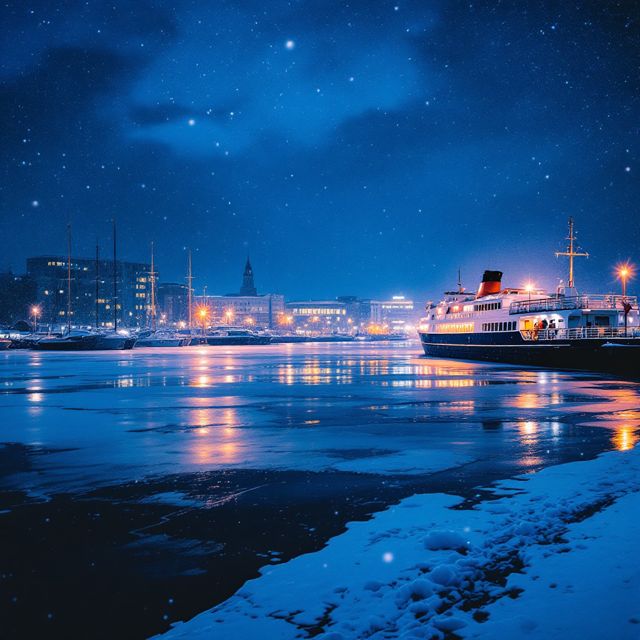
“Helsinki harbour at blue hour in winter, a ferry with its lights on, reflections on icy water, light snow falling, wide shot”
local
Z-Image TurboM1 Max · 1 min 47 s · $0.0004 of power · Elo 936
local
FLUX 3 Image KleinM1 Max · 1 min 45 s · $0.0004 of power · Elo 1043
local
FLUX.2 klein 4BM1 Max · 24 s · $8e-05 of power · Elo 837
hosted
GPT Image 2.5 Sunburst (max)2 min 36 s · $0.50 · Elo 1222
hosted
GPT Image 2.5 Flare (max)61 s · $0.50 · Elo 1207
hosted
Nano Banana 2.117 s · $0.034 · Elo 1176
hosted
MAI-Image-2.624 s · ~$0.04 · Elo 1166
hosted
Grok Imagine Image 263 s · $0.04 · Elo 1166
hosted
Muse Image (Meta)27 s · $0.01 · Elo 1127
hosted
MAI-Image-2.6-Flash10 s · ~$0.02 · Elo 1119
hosted
FLUX 3 Image24 s · $0.024 · Elo 1117
hosted
Seedream 5 Pro44 s · $0.045 · Elo 1100
hosted
Qwen-Image 3 Pro54 s · $0.04 · Elo 1095
hosted
FLUX 1.1 pro3 s · $0.04 · Elo 870
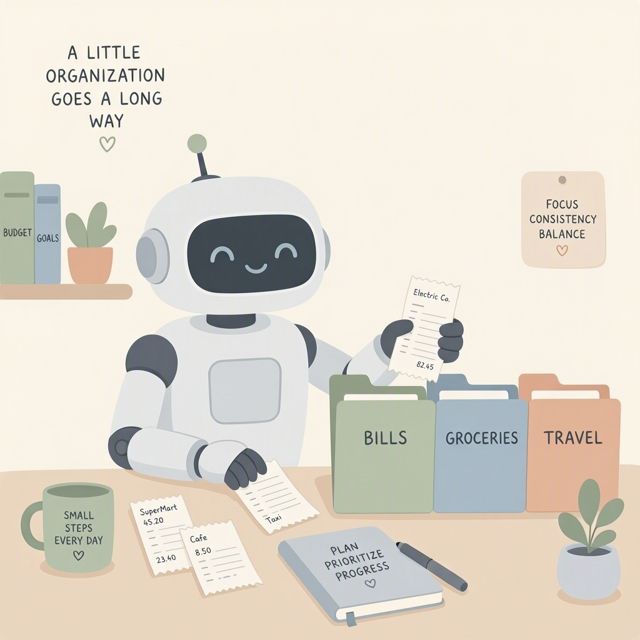
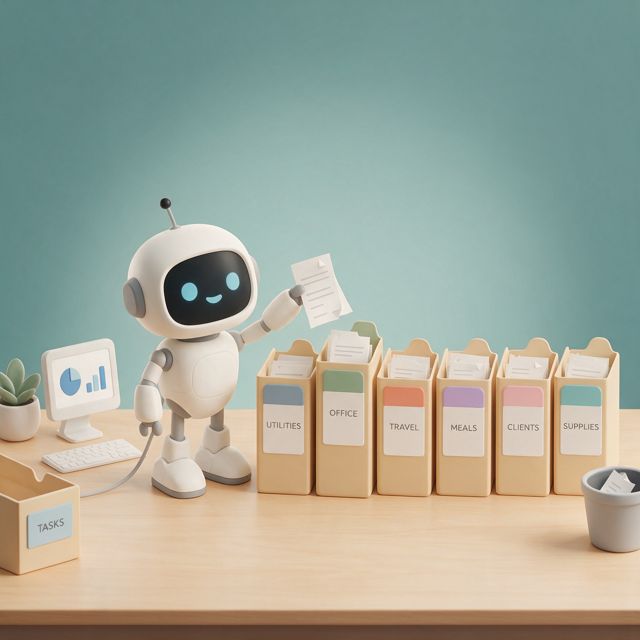
“Flat vector illustration of a friendly robot sorting paper receipts into labelled folders on a desk, muted pastel palette, clean shapes”
local
Z-Image TurboM1 Max · 1 min 41 s · $0.0003 of power · Elo 936
local
FLUX 3 Image KleinM1 Max · 1 min 48 s · $0.0004 of power · Elo 1043
local
FLUX.2 klein 4BM1 Max · 25 s · $8e-05 of power · Elo 837
hosted
GPT Image 2.5 Sunburst (max)1 min 59 s · $0.50 · Elo 1222
hosted
GPT Image 2.5 Flare (max)54 s · $0.50 · Elo 1207
hosted
Nano Banana 2.115 s · $0.034 · Elo 1176
hosted
MAI-Image-2.627 s · ~$0.04 · Elo 1166
hosted
Grok Imagine Image 285 s · $0.04 · Elo 1166
hosted
Muse Image (Meta)18 s · $0.01 · Elo 1127
hosted
MAI-Image-2.6-Flash9 s · ~$0.02 · Elo 1119
hosted
FLUX 3 Image18 s · $0.024 · Elo 1117
hosted
Seedream 5 Pro70 s · $0.045 · Elo 1100
hosted
Qwen-Image 3 Pro58 s · $0.04 · Elo 1095
hosted
FLUX 1.1 pro5 s · $0.04 · Elo 870
Z-Image Turbo, on the M1 Max
local
portraitM1 Max · 1 min 48 s · $0.0004 of power · Elo 936
local
officeM1 Max · 1 min 44 s · $0.0003 of power · Elo 936
local
chalkboardM1 Max · 1 min 39 s · $0.0003 of power · Elo 936
local
friendsM1 Max · 1 min 38 s · $0.0003 of power · Elo 936
local
harbourM1 Max · 1 min 47 s · $0.0004 of power · Elo 936
local
robotM1 Max · 1 min 41 s · $0.0003 of power · Elo 936
FLUX 3 Image Klein, on the M1 Max
local
portraitM1 Max · 1 min 46 s · $0.0004 of power · Elo 1043
local
officeM1 Max · 1 min 46 s · $0.0004 of power · Elo 1043
local
chalkboardM1 Max · 1 min 45 s · $0.0004 of power · Elo 1043
local
friendsM1 Max · 1 min 45 s · $0.0004 of power · Elo 1043
local
harbourM1 Max · 1 min 45 s · $0.0004 of power · Elo 1043
local
robotM1 Max · 1 min 48 s · $0.0004 of power · Elo 1043
FLUX.2 klein 4B, on the M1 Max
local
portraitM1 Max · 26 s · $9e-05 of power · Elo 837
local
officeM1 Max · 27 s · $9e-05 of power · Elo 837
local
chalkboardM1 Max · 26 s · $9e-05 of power · Elo 837
local
friendsM1 Max · 25 s · $8e-05 of power · Elo 837
local
harbourM1 Max · 24 s · $8e-05 of power · Elo 837
local
robotM1 Max · 25 s · $8e-05 of power · Elo 837
GPT Image 2.5 Sunburst (max), hosted
hosted
portrait2 min 48 s · $0.50 · Elo 1222
hosted
office2 min 14 s · $0.50 · Elo 1222
hosted
chalkboard2 min 32 s · $0.50 · Elo 1222
hosted
friends2 min 42 s · $0.50 · Elo 1222
hosted
harbour2 min 36 s · $0.50 · Elo 1222
hosted
robot1 min 59 s · $0.50 · Elo 1222
GPT Image 2.5 Flare (max), hosted
hosted
portrait63 s · $0.50 · Elo 1207
hosted
office60 s · $0.50 · Elo 1207
hosted
chalkboard59 s · $0.50 · Elo 1207
hosted
friends69 s · $0.50 · Elo 1207
hosted
harbour61 s · $0.50 · Elo 1207
hosted
robot54 s · $0.50 · Elo 1207
Nano Banana 2.1, hosted
hosted
portrait16 s · $0.034 · Elo 1176
hosted
office18 s · $0.034 · Elo 1176
hosted
chalkboard17 s · $0.034 · Elo 1176
hosted
friends20 s · $0.034 · Elo 1176
hosted
harbour17 s · $0.034 · Elo 1176
hosted
robot15 s · $0.034 · Elo 1176
MAI-Image-2.6, hosted
hosted
portrait27 s · ~$0.04 · Elo 1166
hosted
office26 s · ~$0.04 · Elo 1166
hosted
chalkboard23 s · ~$0.04 · Elo 1166
hosted
friends27 s · ~$0.04 · Elo 1166
hosted
harbour24 s · ~$0.04 · Elo 1166
hosted
robot27 s · ~$0.04 · Elo 1166
Grok Imagine Image 2, hosted
hosted
portrait54 s · $0.04 · Elo 1166
hosted
office71 s · $0.04 · Elo 1166
hosted
chalkboard58 s · $0.04 · Elo 1166
hosted
friends69 s · $0.04 · Elo 1166
hosted
harbour63 s · $0.04 · Elo 1166
hosted
robot85 s · $0.04 · Elo 1166
Muse Image (Meta), hosted
hosted
portrait26 s · $0.01 · Elo 1127
hosted
office11 s · $0.01 · Elo 1127
hosted
chalkboard9 s · $0.01 · Elo 1127
hosted
friends10 s · $0.01 · Elo 1127
hosted
harbour27 s · $0.01 · Elo 1127
hosted
robot18 s · $0.01 · Elo 1127
MAI-Image-2.6-Flash, hosted
hosted
portrait12 s · ~$0.02 · Elo 1119
hosted
office11 s · ~$0.02 · Elo 1119
hosted
chalkboard12 s · ~$0.02 · Elo 1119
hosted
friends10 s · ~$0.02 · Elo 1119
hosted
harbour10 s · ~$0.02 · Elo 1119
hosted
robot9 s · ~$0.02 · Elo 1119
FLUX 3 Image, hosted
hosted
portrait20 s · $0.024 · Elo 1117
hosted
office20 s · $0.024 · Elo 1117
hosted
chalkboard20 s · $0.024 · Elo 1117
hosted
friends27 s · $0.024 · Elo 1117
hosted
harbour24 s · $0.024 · Elo 1117
hosted
robot18 s · $0.024 · Elo 1117
Seedream 5 Pro, hosted
hosted
portrait41 s · $0.045 · Elo 1100
hosted
office57 s · $0.045 · Elo 1100
hosted
chalkboard44 s · $0.045 · Elo 1100
hosted
friends35 s · $0.045 · Elo 1100
hosted
harbour44 s · $0.045 · Elo 1100
hosted
robot70 s · $0.045 · Elo 1100
Qwen-Image 3 Pro, hosted
hosted
portrait57 s · $0.04 · Elo 1095
hosted
office70 s · $0.04 · Elo 1095
hosted
chalkboard64 s · $0.04 · Elo 1095
hosted
friends67 s · $0.04 · Elo 1095
hosted
harbour54 s · $0.04 · Elo 1095
hosted
robot58 s · $0.04 · Elo 1095
FLUX 1.1 pro, hosted
hosted
portrait3 s · $0.04 · Elo 870
hosted
office3 s · $0.04 · Elo 870
hosted
chalkboard5 s · $0.04 · Elo 870
hosted
friends4 s · $0.04 · Elo 870
hosted
harbour3 s · $0.04 · Elo 870
hosted
robot5 s · $0.04 · Elo 870
Every model, local or hosted, wrote the chalkboard sentence correctly, which not long ago was the thing image models
were worst at. The hosted models pull ahead on real places: Nano Banana drew a Helsinki you can recognise, while the
local models and several of the hosted ones drew a generic harbour. FLUX 1.1 pro, which was the default in our own
tooling until this test, looks dated next to the rest, with the over-smoothed skin people now recognise as an AI
picture. On the Mac, Z-Image Turbo looks the most like a photograph, FLUX 3 Image Klein has the best texture and
lettering, and FLUX.2 klein 4B is four times faster than either and loses detail for it.
What a picture costs, and how long it takes
What 100 pictures costUS dollars; list price for the hosted models (26 Oct); log scale
A picture made on the Mac costs about $0.0003 of electricity; we measured 39 W while generating against 2 W idle. If
you also count the Mac's own time, say a $2,000 laptop over four years of generating eight hours a night, it comes to
about half a cent. The cheapest hosted model we tried, Meta's Muse Image, costs one cent, and the most expensive, GPT
Image 2.5 at maximum quality, fifty.
Price against leaderboard ratingUp is rated better by people comparing pictures, right costs more
hostedon the Mac
Ratings from the Artificial Analysis text-to-image leaderboard. Unlabelled dots, hover for the name: MAI-Image 2.6 and Flash, Grok Imagine Image 2, FLUX 3 Image, Qwen-Image 3 Pro.
Price and rating barely move together. Muse at one cent is rated above models that cost two to four times as much,
and GPT Image 2.5's lead over Nano Banana costs fifteen times as much per picture. The green dots are the Mac: FLUX 3
Image Klein is the highest-rated open model on the leaderboard, while Z-Image Turbo sits well below the hosted models
even though, to our eyes, it made the most photographic pictures of the three.
Seconds per pictureMedian over the six prompts; the Mac includes loading the model for every picture
On time the Mac is in the same range as the hosted models, from 26 seconds to under two minutes a picture. What a
hosted API gives you is the ability to make a hundred at once, where the Mac makes them one after another, so a big
batch on the Mac is something you start before bed.
Video
Video is where we expected the Mac to fall furthest behind. Three prompts: a barista pouring latte art, a ferry
leaving a snowy harbour, and a dog catching a ball. Three models ran on the M1 Max and eight hosted, the hosted ones
at 5 seconds and 720p with sound. Every clip shows how long it took and what it cost, and By model shows all
three clips from one model.
“A barista pours steamed milk into a cup of coffee, making a leaf pattern, close-up, warm cafe light, the hiss of the steam wand and quiet cafe chatter”
local
LTX-2.5M1 Max · 2 min 33 s · $0.0005 of power
local
LTX-2.3M1 Max · 2 min 24 s · $0.0005 of power
local
Wan 2.2 5BM1 Max · 73 min · $0.01 of power · no sound
hosted
Wan 3.02 min 10 s · $0.25 a clip
hosted
HeyGen Video 1time not reported · $0.09 a clip
hosted
MiniMax H32 min 43 s · $0.40 a clip
hosted
Seedance 2.58 min 59 s · $1.15 a clip
hosted
MiniMax H3 Maxtime not reported · $0.40 a clip
hosted
FLUX 3 (video)60 s · $0.85 a clip
hosted
Gemini Omni Flash 1.136 s · $1.50 a clip
hosted
Kling 3.0 Pro2 min 8 s · $1.68 a clip
“A ferry pulls away from a snowy harbour at blue hour, slow dolly shot along the pier, gulls calling, the low rumble of the engine”
local
LTX-2.5M1 Max · 2 min 35 s · $0.0005 of power
local
LTX-2.3M1 Max · 2 min 23 s · $0.0005 of power
hosted
Wan 3.02 min 4 s · $0.25 a clip
hosted
HeyGen Video 1time not reported · $0.09 a clip
hosted
MiniMax H32 min 32 s · $0.40 a clip
hosted
Seedance 2.56 min 32 s · $1.15 a clip
hosted
MiniMax H3 Maxtime not reported · $0.40 a clip
hosted
FLUX 3 (video)60 s · $0.85 a clip
hosted
Gemini Omni Flash 1.137 s · $1.50 a clip
hosted
Kling 3.0 Pro2 min 8 s · $1.68 a clip
“A golden retriever runs across a sunlit meadow toward the camera and jumps to catch a red ball, slow motion, birdsong”
local
LTX-2.5M1 Max · 2 min 30 s · $0.0005 of power
local
LTX-2.3M1 Max · 2 min 24 s · $0.0005 of power
hosted
Wan 3.02 min 27 s · $0.25 a clip
hosted
HeyGen Video 1time not reported · $0.09 a clip
hosted
MiniMax H32 min 34 s · $0.40 a clip
hosted
Seedance 2.56 min 50 s · $1.15 a clip
hosted
MiniMax H3 Maxtime not reported · $0.40 a clip
hosted
FLUX 3 (video)63 s · $0.85 a clip
hosted
Gemini Omni Flash 1.136 s · $1.50 a clip
hosted
Kling 3.0 Pro2 min 8 s · $1.68 a clip
LTX-2.5, on the M1 Max
local
baristaM1 Max · 2 min 33 s · $0.0005 of power
local
ferryM1 Max · 2 min 35 s · $0.0005 of power
local
dogM1 Max · 2 min 30 s · $0.0005 of power
LTX-2.3, on the M1 Max
local
baristaM1 Max · 2 min 24 s · $0.0005 of power
local
ferryM1 Max · 2 min 23 s · $0.0005 of power
local
dogM1 Max · 2 min 24 s · $0.0005 of power
Wan 2.2 5B, on the M1 Max
local
baristaM1 Max · 73 min · $0.01 of power · no sound
Wan 3.0, hosted
hosted
barista2 min 10 s · $0.25 a clip
hosted
ferry2 min 4 s · $0.25 a clip
hosted
dog2 min 27 s · $0.25 a clip
HeyGen Video 1, hosted
hosted
baristatime not reported · $0.09 a clip
hosted
ferrytime not reported · $0.09 a clip
hosted
dogtime not reported · $0.09 a clip
MiniMax H3, hosted
hosted
barista2 min 43 s · $0.40 a clip
hosted
ferry2 min 32 s · $0.40 a clip
hosted
dog2 min 34 s · $0.40 a clip
Seedance 2.5, hosted
hosted
barista8 min 59 s · $1.15 a clip
hosted
ferry6 min 32 s · $1.15 a clip
hosted
dog6 min 50 s · $1.15 a clip
MiniMax H3 Max, hosted
hosted
baristatime not reported · $0.40 a clip
hosted
ferrytime not reported · $0.40 a clip
hosted
dogtime not reported · $0.40 a clip
FLUX 3 (video), hosted
hosted
barista60 s · $0.85 a clip
hosted
ferry60 s · $0.85 a clip
hosted
dog63 s · $0.85 a clip
Gemini Omni Flash 1.1, hosted
hosted
barista36 s · $1.50 a clip
hosted
ferry37 s · $1.50 a clip
hosted
dog36 s · $1.50 a clip
Kling 3.0 Pro, hosted
hosted
barista2 min 8 s · $1.68 a clip
hosted
ferry2 min 8 s · $1.68 a clip
hosted
dog2 min 8 s · $1.68 a clip
Minutes per clipMedian over three prompts. Hosted: 5 s at 720p with sound. HeyGen and MiniMax H3 Max report no time.
The Mac is behind on resolution and length rather than on time. LTX-2.5 makes four seconds at 768×512 with sound in
about two and a half minutes, which is about what most of the hosted models took for five seconds at 720p. Wan 2.2
got the physics of the latte pour right where LTX did not (the milk comes from the pitcher), but at over an hour a
clip it is something you start at night.
Cost per clipUS dollars: list price or measured for the hosted models, electricity for the Mac; log scale
Hosted, a clip cost from 9 cents (HeyGen Video 1, measured) to $1.68 (Kling 3 Pro). We have only judged the hosted
clips from still frames so far, so watch them and make up your own mind about motion and sound.
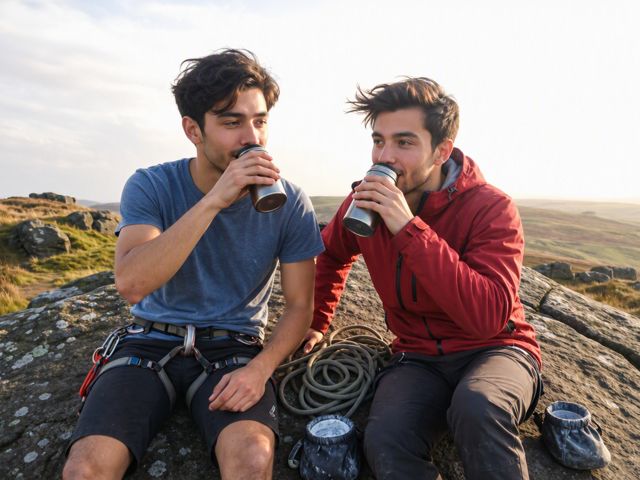
The same people, twelve years apart
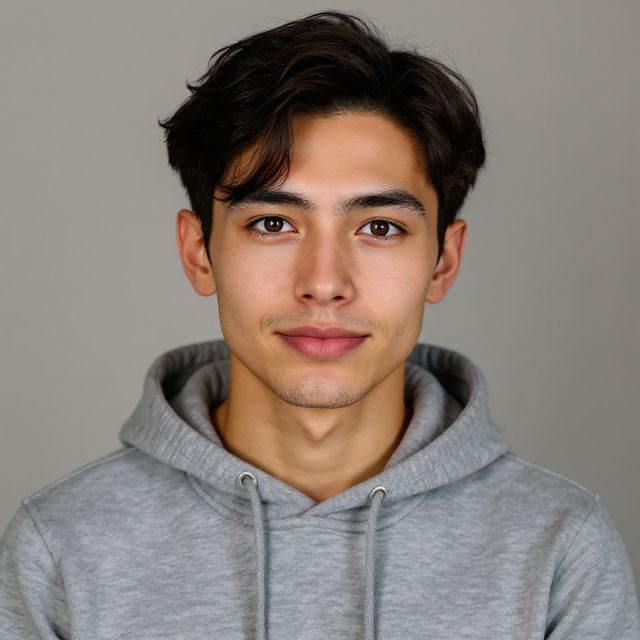
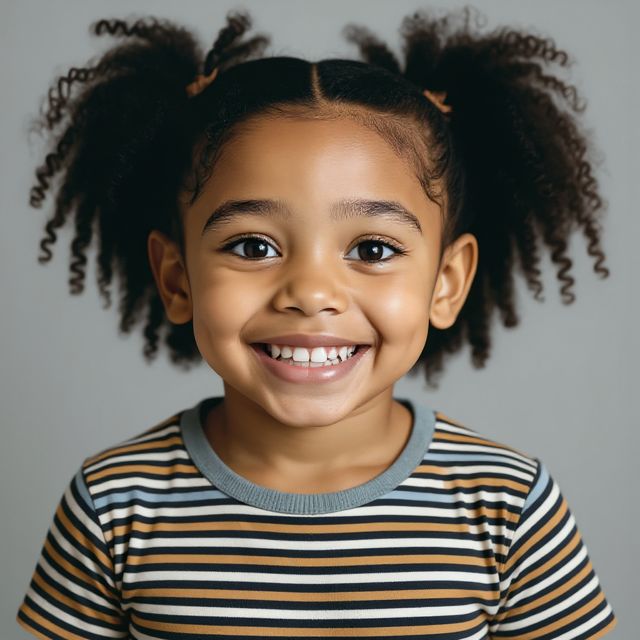
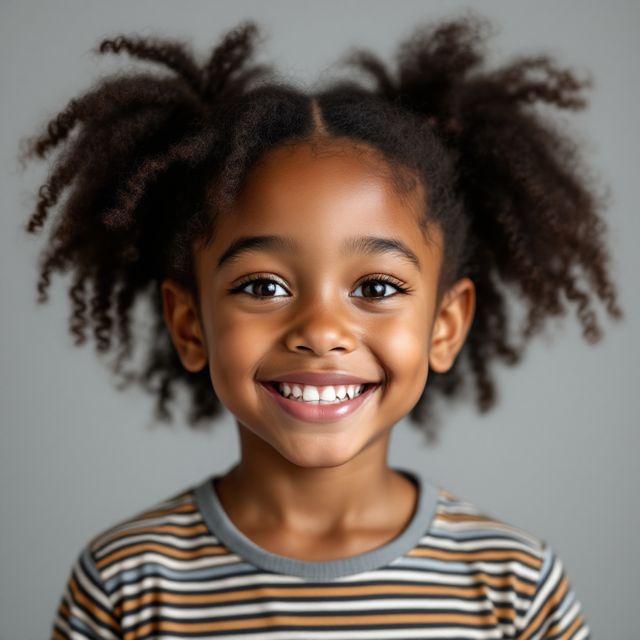
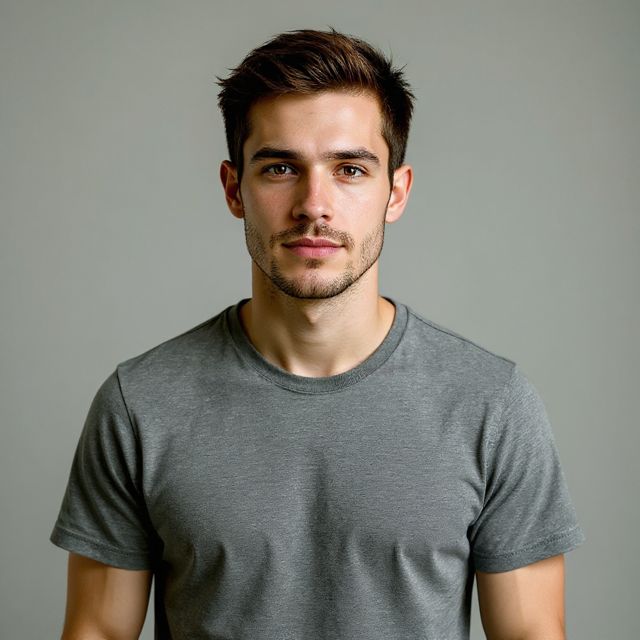
For our own testing we need a believable photo library of people who do not exist: the same family across years of
breakfasts, playgrounds and climbing trips. That needs a model that keeps a face recognisable from one picture to the
next. We gave each model portraits of the people in the scene as reference images, one per person, and named what
each of them wore. The cast comes from
open-synthetic-identities.
alex, age 26alex, age 38sam, age 32sam, canonicalmira, age 2mira, age 7jonas, age 26
References: alex/age-38, sam/canonical, mira/age-7. “Candid smartphone snapshot from 2026: the adult in image 1 (wearing a navy hoodie) and the adult in image 2 (wearing a plain white t-shirt) eat breakfast at a small kitchen table with the child in image 3 (wearing yellow pyjamas), a Saturday morning in a Berlin apartment, cereal bowls and orange juice, the child laughing, slightly tilted framing, mixed window light, a little motion blur, an ordinary phone photo, not a studio portrait”
local
FLUX 3 Image KleinM1 Max · 11 min · $0.002 of power
hosted
GPT Image 2.51 min 50 s · $0.50 a picture
hosted
Nano Banana 2.135 s · $0.03 a picture
hosted
FLUX 3 Image1 min 35 s · $0.02 a picture
hosted
Seedream 5 Pro1 min 52 s · $0.04 a picture
hosted
Muse Image17 s · $0.01 a picture
hosted
refused: a child in the picture
MAI-Image 2.6no picture
hosted
refused: a child in the picture
MAI-Image 2.6 Flashno picture
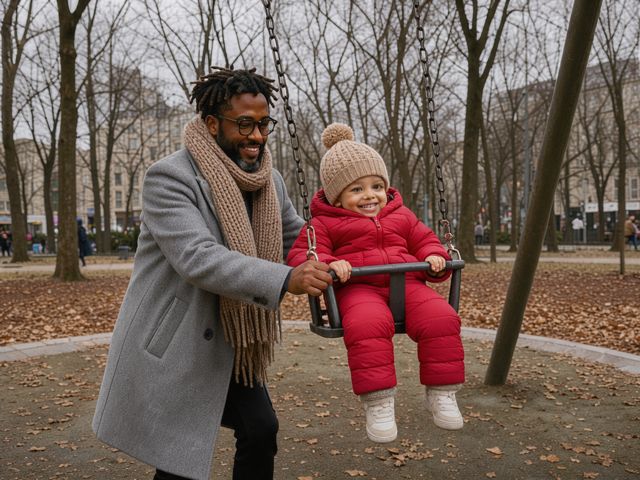
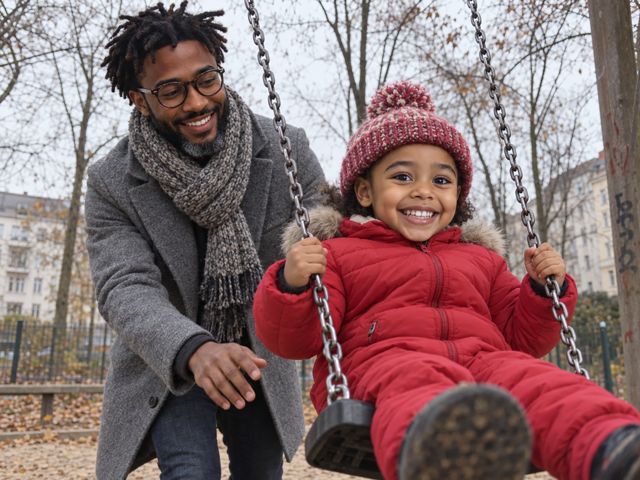
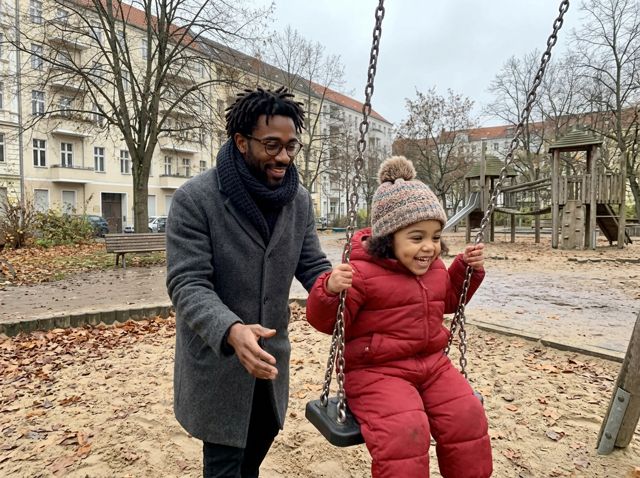
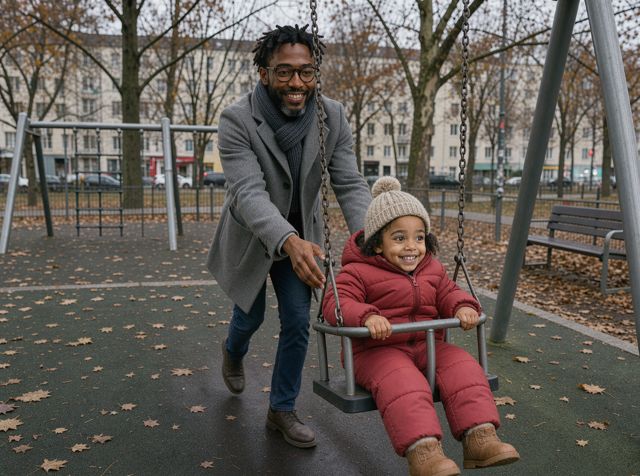
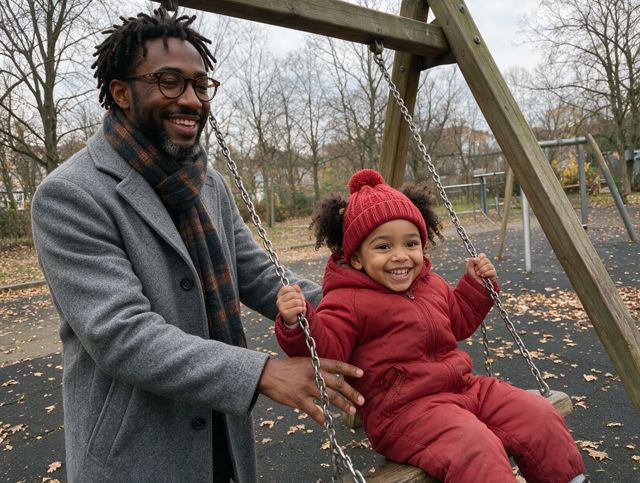
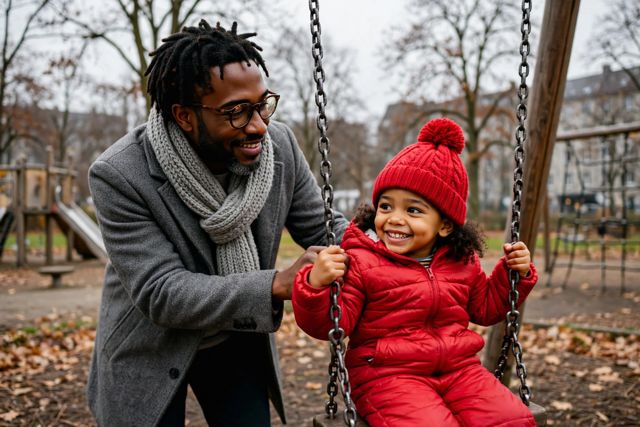
References: sam/age-32, mira/age-2. “Candid smartphone snapshot from 2021: the adult in image 1 (wearing a grey wool coat and a knitted scarf) pushes the toddler in image 2 (wearing a red puffer suit and a bobble hat) on a swing in a Berlin playground in late autumn, bare trees, overcast flat light, shot from a slightly low angle by someone standing nearby, ordinary phone photo”
local
FLUX 3 Image KleinM1 Max · 7 min 34 s · $0.002 of power
hosted
GPT Image 2.52 min · $0.50 a picture
hosted
Nano Banana 2.121 s · $0.03 a picture
hosted
FLUX 3 Image27 s · $0.02 a picture
hosted
Seedream 5 Pro89 s · $0.04 a picture
hosted
Muse Image15 s · $0.01 a picture
hosted
refused: a child in the picture
MAI-Image 2.6no picture
hosted
refused: a child in the picture
MAI-Image 2.6 Flashno picture
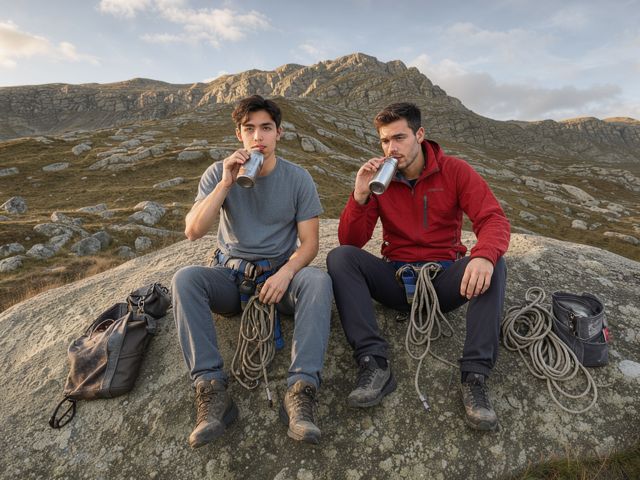
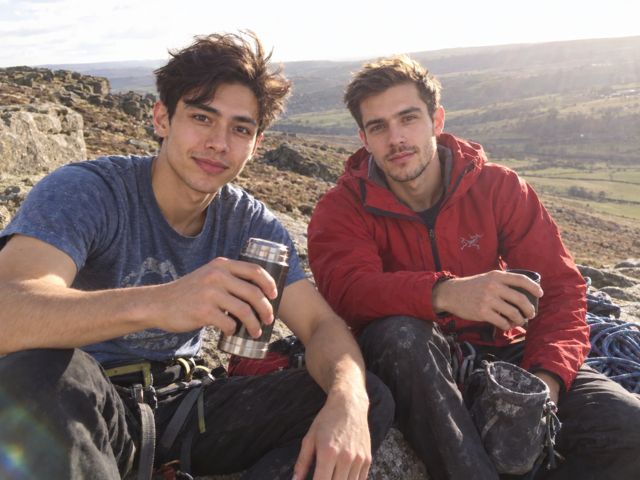
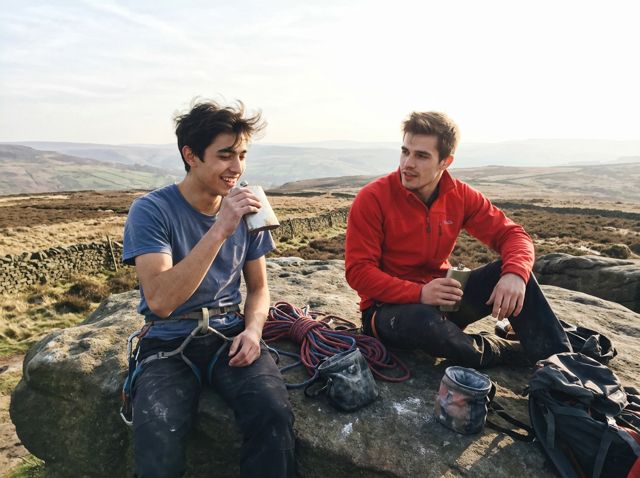
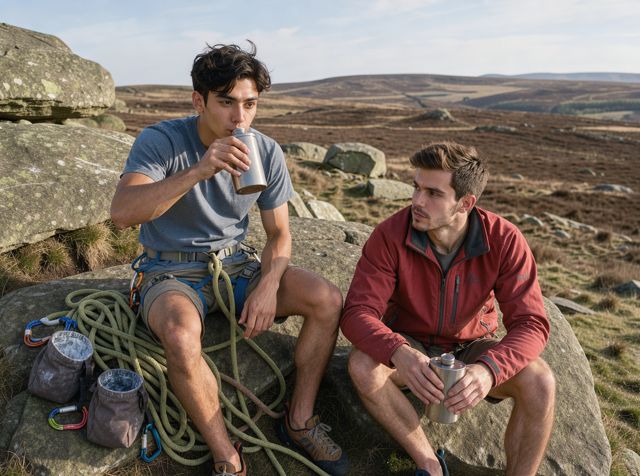
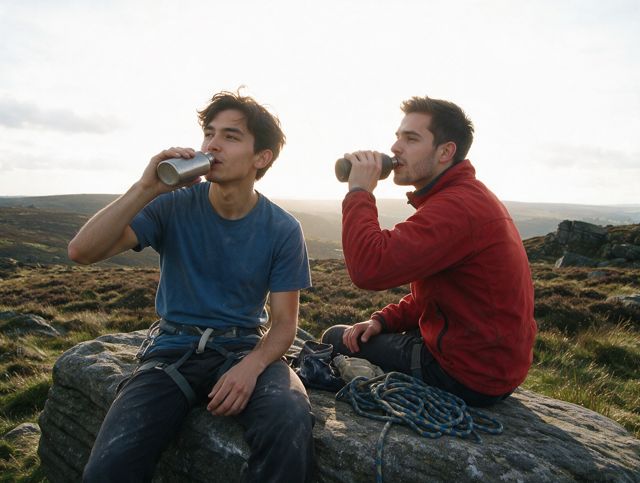
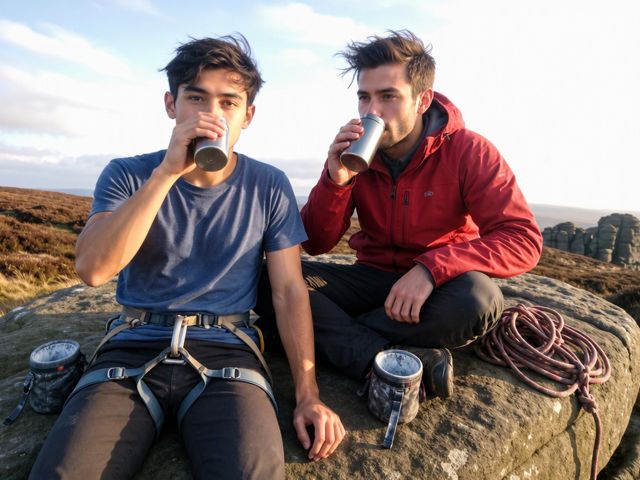
References: alex/age-26, jonas/age-26. “Candid smartphone snapshot from 2015: the young adult in image 1 (wearing a faded blue t-shirt and a climbing harness) and the young adult in image 2 (wearing a red softshell jacket) sit on a gritstone boulder in the Peak District drinking from flasks after climbing, rope and chalk bags beside them, windy, low afternoon sun, a slightly overexposed sky, an older-phone photo with soft focus, not a studio portrait”
local
FLUX 3 Image KleinM1 Max · 8 min 22 s · $0.002 of power
hosted
GPT Image 2.52 min 4 s · $0.50 a picture
hosted
Nano Banana 2.115 s · $0.03 a picture
hosted
FLUX 3 Image25 s · $0.02 a picture
hosted
Seedream 5 Pro1 min 58 s · $0.04 a picture
hosted
refused by its content filter
Muse Imageno picture
hosted
MAI-Image 2.627 s · $0.04 a picture
hosted
MAI-Image 2.6 Flash20 s · $0.02 a picture
Every hosted model that answered kept the faces, and so did FLUX 3 Image Klein on the Mac, through mflux's edit
command, which takes several reference images; it needed 8 to 11 minutes a picture against two minutes at most
hosted. Two things to know if you try this. Name the clothes, or the model copies the outfit from the reference
portrait and everybody wears the same thing for twelve years. And MAI-Image 2.6 refuses every scene with a child in
it, while Muse refused the climbing scene, which has none, without saying why.
Voices
Last, speech. We wrote three short voice memos, one in English and two in German, described each speaker's voice in a
sentence, and had every model read them. Models that can design a voice from a description got the description, and
the others their closest preset. To check each take we transcribed it with whisper and counted the words it got
wrong; a few percent is whisper's own error.
The voice we asked for: A calm British adult in their late thirties with a gender-neutral, mid-pitched voice and a light northern English accent, relaxed and friendly, quietly dictating a note to self into a phone.
Note to self: Jonas suggested the Frankenjura for the long weekend in July. Check if the camper is free, book Friday to Monday, and dig out the sixty-meter rope from the cellar. Mira stays with Sam's parents, so it's a proper two-day climbing window.
Ming-3.0 TTS 0.5Blocal0% wrong
local, voice design
Qwen3-TTS 1.7B VoiceDesignlocal0% wrong
local
Chatterbox multilinguallocal0% wrong
local, cloned from the Qwen3 take
Voxtral 4B TTSlocal2% wrong
local, preset
Kokoro 82Mlocal6% wrong
local, preset, no German
Fish Audio Drama 3, 4-bitlocal56% wrong
local, cloned from the Qwen3 take
Whisper heard: “Note to self: Jonas suggested the frankenjura for the long weekend in July. Check if the camper is free. The End”
ElevenLabs v4hosted2% wrong
hosted, premade voice
MiniMax Speech 2.8 HDhosted0% wrong
hosted, preset
Inworld Realtime TTS-2hosted0% wrong
hosted, preset
Qwen3-TTS voice designhosted6% wrong
hosted
Gemini 3.8 Flash TTShosted9% wrong
hosted, description under headings
Gemini 3.8 Flash TTShosted89% wrong
hosted, description in one paragraph
Whisper heard: “Read this as the following speaker, a calm British adult in their late 30s with a gender-neutral mid-pitched voice and a light Northern English accent, relaxed and friendly, quietly dictating a note to self into a phone.…”
The voice we asked for: A warm, kind man in his late thirties, a secondary-school teacher in Berlin, speaking fluent natural German with a soft, friendly, mid-low voice, recording a quick reminder on his phone.
Kurze Notiz: Miras Klasse macht am Donnerstag einen Ausflug in den Tierpark. Sie braucht ein Lunchpaket, feste Schuhe und zwölf Euro im Umschlag. Abgabe des Zettels bis Dienstag — nicht vergessen zu unterschreiben.
Ming-3.0 TTS 0.5Blocal0% wrong
local, voice design
Qwen3-TTS 1.7B VoiceDesignlocal0% wrong
local
Chatterbox multilinguallocal0% wrong
local, cloned from the Qwen3 take
Voxtral 4B TTSlocal3% wrong
local, preset
Fish Audio Drama 3, 4-bitlocal0% wrong
local, cloned from the Qwen3 take
ElevenLabs v4hosted0% wrong
hosted, premade voice
MiniMax Speech 2.8 HDhosted0% wrong
hosted, preset
Inworld Realtime TTS-2hosted0% wrong
hosted, preset
Qwen3-TTS voice designhosted0% wrong
hosted
Gemini 3.8 Flash TTShosted0% wrong
hosted, description under headings
Gemini 3.8 Flash TTShosted116% wrong
hosted, description in one paragraph
Whisper heard: “"Read this as the following speaker: A warm, kind man in his late 30s, a secondary schoolteacher in Berlin, speaking fluent, natural German with a soft, friendly, mid-low voice. Recording a quick reminder on his phone. K…”
The voice we asked for: A German tax advisor in his late fifties, a measured, slightly dry baritone with standard German pronunciation, speaking politely and efficiently in a meeting.
Also, für das zweite Quartal brauche ich noch die Belege für die Reisekosten und die Rechnung von Northlight. Die Quartalsunterlagen müssen bis Ende Juli eingereicht werden, sonst wird es mit der Frist knapp. Den Rest können Sie mir digital schicken. Und denken Sie bitte an die Bewirtungsbelege — bei zweien fehlt noch der Anlass, das muss draufstehen, sonst erkennt das Finanzamt sie nicht an. Nächster Termin dann im Oktober.
Ming-3.0 TTS 0.5Blocal0% wrong
local, voice design
Qwen3-TTS 1.7B VoiceDesignlocal0% wrong
local
Chatterbox multilinguallocal0% wrong
local, cloned from the Qwen3 take
Voxtral 4B TTSlocal0% wrong
local, preset
Fish Audio Drama 3, 4-bitlocal2% wrong
local, cloned from the Qwen3 take
ElevenLabs v4hosted0% wrong
hosted, premade voice
MiniMax Speech 2.8 HDhosted0% wrong
hosted, preset
Inworld Realtime TTS-2hosted0% wrong
hosted, preset
Qwen3-TTS voice designhosted0% wrong
hosted
Gemini 3.8 Flash TTShosted0% wrong
hosted, description under headings
Gemini 3.8 Flash TTShosted2% wrong
hosted, description in one paragraph
For reading a script, the Mac is as good as the hosted services: on the Mac, Ming-3.0, Qwen3-TTS and Chatterbox did
not get a word wrong in any memo, and Ming-3.0 needs only 1.5 GB of memory. Two takes went wrong in ways worth knowing about.
When we put the voice description in the same paragraph as the text, Gemini read the description out loud before the
memo (the last one in the English list); putting it under its own heading fixed it. And Fish Audio Drama 3 stopped
its English memo after two sentences and filled the rest with noise. How natural each voice sounds is a matter of
taste, which is why they are all here to play.
What we would use, October 2026
Everyday pictures
Z-Image Turbo on an Apple Silicon Mac (it peaked at 13 GB of memory on ours), or Muse Image at one cent when you need many at once.
Real places
Nano Banana 2.1.
The same people across pictures
Nano Banana 2.1 or FLUX 3 Image hosted; FLUX 3 Image Klein on the Mac if you can wait ten minutes a picture.
Video
LTX-2.5 on the Mac for drafts; a hosted model for anything you will show, chosen by watching the clips above.
Voice
Ming-3.0 on the Mac.
How we ran it
The local models ran on an M1 Max MacBook Pro with 64 GB through their MLX ports (mflux 0.23 for images, ltx-2-mlx and
mlx-video for video, mlx-audio 0.6.1 for speech), with seed 42, mostly overnight on 24 to 25 October. The hosted models ran through Replicate and
OpenRouter on 26 October at list price, and the ratings are from the Artificial Analysis leaderboards read the same
day (the Mac models' on 28 October). Licences differ: Z-Image Turbo, FLUX.2 klein 4B and Wan 2.2 are Apache-2.0; FLUX 3 Image Klein is free under
US$5M revenue and LTX under US$10M a year. The scripts, prompts, every output and the traps we hit getting the local
models to run are in the october-2026 folder
of the benchmark repo. For how fast the same Mac runs language models, see
the companion post.


























 alex, age 26
 alex, age 38
 sam, age 32
 sam, canonical
 mira, age 2
 mira, age 7
 jonas, age 26